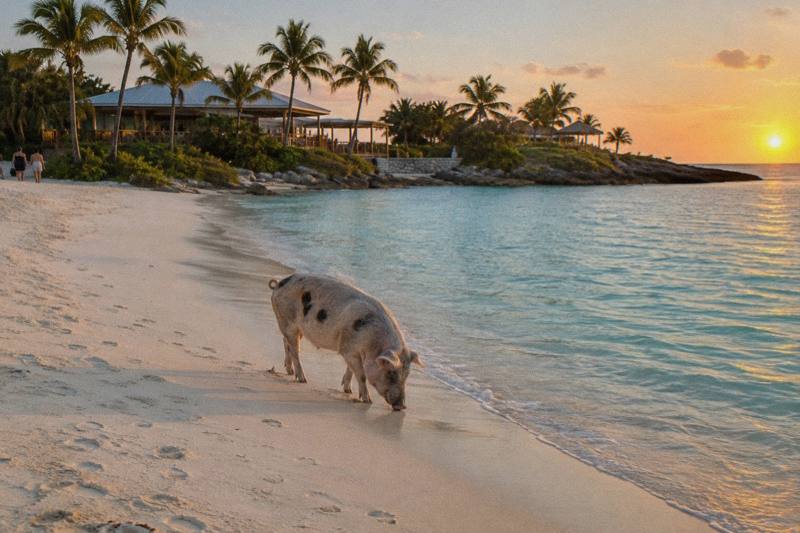
Is Swimming With The Pigs Ethical? What To Look For In A Tour
The honest answer is that swimming with the Bahamas pigs can be ethical, and it depends almost entirely on which colony you visit and how your operator runs the day. Here is what is known, what is not, and how to read a listing for welfare signals before you book.
Short answer
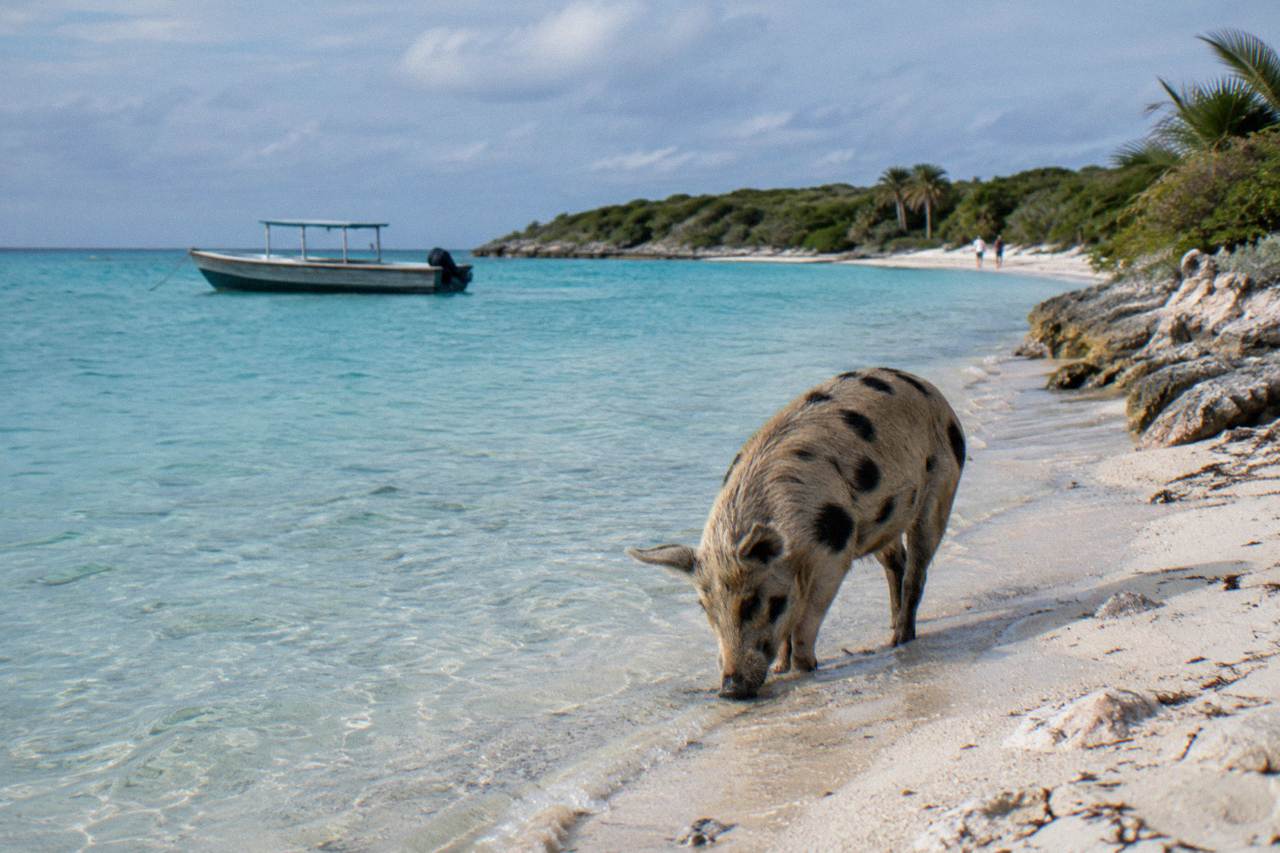
Swimming with the pigs can be an ethical choice when the tour keeps groups small, lets the pigs approach on their own terms, and follows guide direction on feeding. The Ministry of Tourism page says about 20 pigs live at Big Major Cay. Choose operators whose listings emphasize welfare and never force contact.
The question of whether swimming with the Bahamas pigs is ethical does not have a yes or no answer, and any site that hands you one is guessing. What exists instead is a set of known facts: the roughly 20 pigs and piglets of Big Major Cay in the Exumas are the official home of the swimming pigs, other pig stops sold from Nassau include Rose Island, Athol Island and Meeks Patch off Eleuthera, and there is a short list of things a responsible operator does that a careless one does not. This guide lays out what is known, what is contested, and how to read a tour listing for welfare signals before you spend money. Some of those welfare concerns trace back to reported animal deaths, and the documented record of what killed the pigs separates what officials actually said from rumor.
The Ministry of Tourism's own official swimming pigs page is the anchor for everything below. It confirms Big Major Cay is uninhabited, that the pigs are not native, and that nobody knows for certain how they arrived.
Are The Pigs In The Bahamas Treated Well?
No public inspection results, welfare certification or official scorecard turned up for either pig colony, so nobody can honestly tell you the pigs are well treated or badly treated as a blanket fact. What is verifiable is narrower: the Ministry of Tourism recognizes Big Major Cay as the official home of the swimming pigs, counts about 20 pigs and piglets there, and frames visits as something travelers must do responsibly rather than a managed attraction with posted standards.
The pigs are not native to Big Major Cay. The Ministry page says plainly that how they arrived is not known for sure, and the common stories, sailors leaving them there or pigs swimming from a shipwreck, are exactly that, stories told for decades. An uninhabited cay with a resident pig population and daily boat visits is an unusual setup, and it means the pigs' day-to-day condition depends on weather, food sources, and the cumulative behavior of every boat that pulls up.
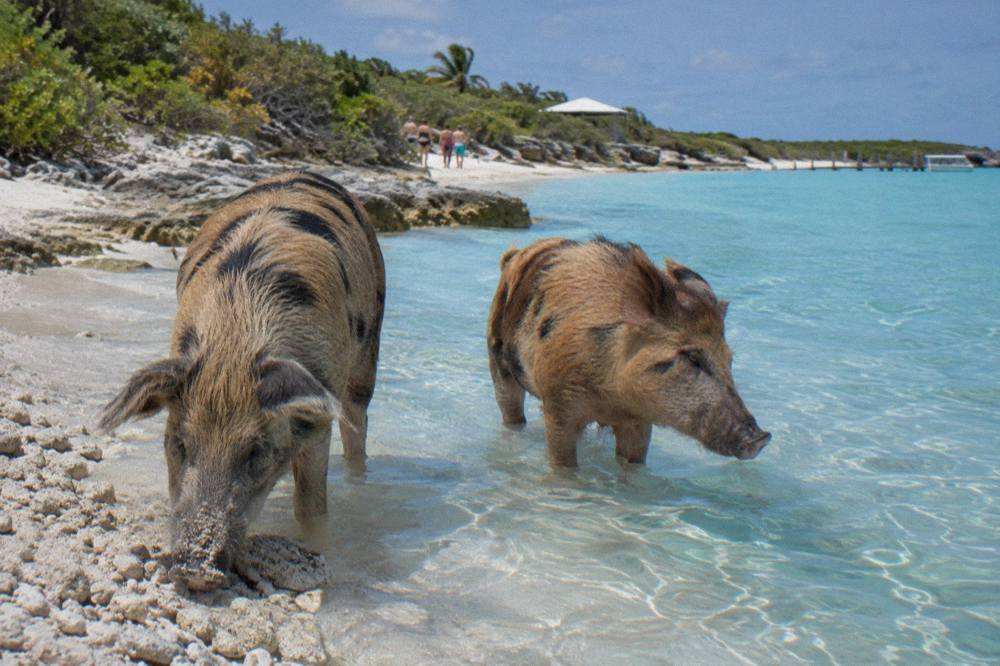
What travelers can observe themselves is behavior. Pigs that approach the waterline on their own, retreat when they want to, and interact without visible distress are acting like animals with choices. Pigs cornered, chased, or grabbed for photos are not. Press and traveler accounts over the years have noted that pigs can nip when food is present, which is one reason every reputable tour keeps the interaction guided rather than free-for-all.
The honest bottom line: the colonies persist, the Ministry promotes visits, and no official body publishes a welfare verdict. Your ethics decision therefore happens at the booking stage, not at the beach. If you want the deeper background on why the pigs exist at all, the companion piece on the pigs' disputed origins covers the history in detail.
What Does The Official Guidance Actually Say?
The Ministry of Tourism's swimming pigs page is the only official word, and it is short: Big Major Cay is the recognized home, roughly 20 pigs and piglets live there, and visits happen by boat tour from Nassau or the Exumas. It lists no feeding rules, no codes of conduct, and no operator accreditation, which means responsible behavior is left to operators and guests to define and enforce on the day.
That absence cuts both ways. It means nobody can quote an official rulebook at you, and it means an operator claiming to be "officially approved" for pig welfare is claiming something the public record does not support. When a listing says its crew gives direction at the beach, that is the practical mechanism: guidance on the day, from the people who visit most often, rather than a posted regulation. Follow your guide's instructions on feeding and contact, and you are doing the one thing every source agrees on.
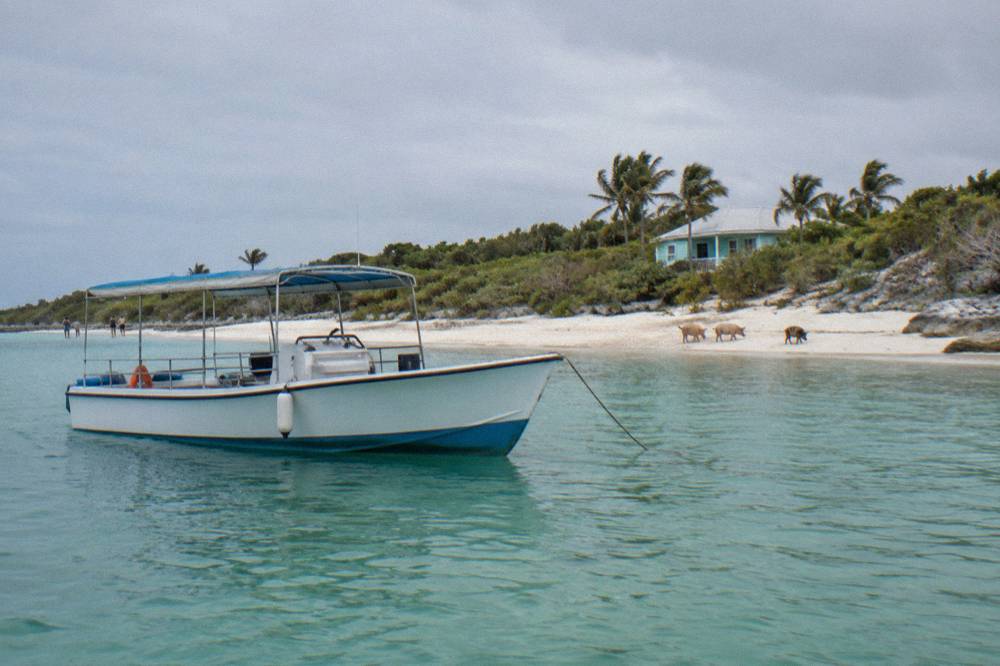
For Rose Island, the practical context comes from the port side: the Nassau Cruise Port's Rose Island page presents it as a short-trip beach day away from the city, reached in a reported 20 to 30 minutes by boat, with the pig swim as one activity among beach clubs, loungers, and snorkeling. The colony there is separate from the Big Major Cay pigs, a distinction with real ethical weight that the next section unpacks.
One more frame: the Ministry page lists the stops a typical Exuma Cays boat tour makes alongside the pigs, including Thunderball Grotto, the Compass Cay nurse sharks, and the Bitter Guana Cay rock iguanas. A full-day Exuma trip is therefore an itinerary of multiple animal encounters, and your welfare judgment applies to each stop, not just the pigs.
What Separates A Responsible Pig Tour From A Bad One?
A responsible tour keeps group sizes small, gives the pigs space to approach or withdraw, has a guide directing the encounter, and never makes contact or posing the price of participation. A bad one packs a boat, sells food handouts as entertainment, and lets guests crowd the waterline. On this site's roster, the listings that lean responsible describe guided encounters on managed beaches with included gear and meals rather than bare transport to a pig pen.
Reading a listing for welfare signals is a skill, and the roster gives you the raw material. Look for language about a guide, a private beach, a paced encounter, and structured inclusions like lunch and snorkel gear, which indicate an operator running a managed day rather than a cattle run. The featured trip on this page, the Da Pig Beach private beach club escape from Nassau, is a good template: its listing describes a 30-minute boat ride to Rose Island, a swimming pigs encounter on a private beach, a Bahamian lunch with a soft drink, and access to chairs, shade, restrooms, and snorkel gear, from $129, rated 4.7 from 1,680 reviews. A guided beach club format with shade and facilities is the calmer environment for both pigs and people.
The Exuma end of the roster works the same way. Born Free Charters' Exuma island hopping trip, from $438.90 and rated 4.8 from 688 reviews, spreads its 8-hour day across iguanas, sharks, snorkeling, and lunch at a restaurant, so the pig stop is one chapter of a full itinerary rather than a bottleneck where three boats unload at once. And the private charter format, like the Rose Island private trip from Bahamas Land And Sea Tours at from $775 per group, caps your crowd at whoever you brought, which is the smallest group size that exists.
A comparison table makes the differences concrete. These are roster facts about format, not welfare certifications, and no listing on this site carries an official animal-welfare badge, because none exists to carry.
| Listing | Format | Group type | Price from | What the listing emphasizes |
|---|---|---|---|---|
| Da Pig Beach private beach club escape | 4-hour Rose Island beach day | Shared | $129 | Guided encounter on a private beach, lunch, gear, restrooms |
| Born Free Charters Exuma island hopping | 8-hour Exuma multi-stop | Shared | $438.90 | Pigs among several stops, lunch at a restaurant, snorkel gear |
| Bahamas Land And Sea Tours private Rose Island | 4-hour charter | Private | $775 per group | Private transportation, snorkel gear, rum punch on board |
| Sandy Toes 6-hour day | 6-hour Rose Island day | Shared | $258 | Full Bahamian lunch, guided day, snorkel equipment |
| Shore To Shore 3 islands tour | 4-hour multi-island | Shared | $122.85 per person | Speedboat and catamaran stops, captain and skipper, kayaks |
If you are weighing this at the planning stage rather than the booking stage, the site's safety overview covers the human side of the same encounter, and the full tour comparison lists every option side by side.
Rose Island Or Big Major Cay: Which Pigs Are You Visiting?
Rose Island sits roughly 20 to 30 minutes by boat from Nassau and hosts a separate managed colony of pigs you meet on short beach club tours, while Big Major Cay, a reported 82 to 86 miles southeast in the Exumas, is the official home of the famous swimming pigs that the Ministry of Tourism recognizes, a wilder population of about 20 animals on an uninhabited cay.
Neither colony is automatically the ethical pick. The Rose Island model concentrates visits on beaches with facilities and guides, which keeps encounters structured, but it also means the same animals meet boats all day. The Big Major Cay model spreads visits across a full-day Exuma itinerary with multiple operators arriving at different times, and the pigs there swim out to boats on their own initiative, which many visitors read as animals setting the terms of the encounter. Both formats can be run well or badly. What you control is the operator you hand your money to.
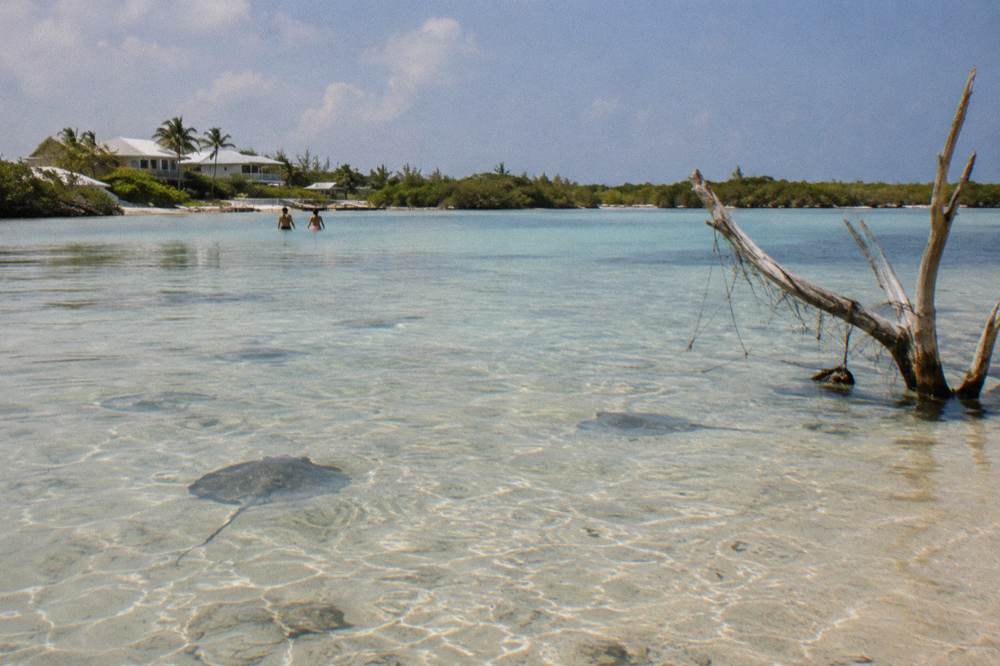
The decision also has a practical face, and this site compares the two head to head in the Exuma versus Rose Island breakdown. Cost and time differ enormously: Rose Island group tours on this roster start from $75, with the popular formats between $89 and $258 and durations of 2 to 6 hours, while the Exuma day trips run from $378 per person upward, or from $850 for the flight-based premium trip, and take 6 to 9 hours door to door.
| Factor | Rose Island colony | Big Major Cay colony |
|---|---|---|
| Distance from Nassau | Reported 20 to 30 minutes by boat | Reported 82 to 86 miles southeast |
| Typical trip length on this roster | 2 to 6 hours | 6 to 9 hours |
| Entry price on this roster | From $75 | From $378 per person |
| Setting | Managed private beach clubs | Uninhabited cay, pigs swim out to boats |
| Official status | Not the official home per the Ministry page | Ministry-recognized home, about 20 pigs |
| Typical day | Pigs plus beach time, lunch, snorkel | Multi-stop: iguanas, sharks, grotto, sandbars, pigs |
One ethical nuance worth naming: the short Rose Island format is the one most cruise passengers end up on, because it fits a port day. That means the colony absorbs a lot of first-time, time-pressed visitors, which is exactly the crowd most likely to crowd the animals. Choosing a longer format, or a private one, relieves that pressure in a small way.
How Do You Read Reviews For Pig Welfare Signals?
Guest reviews won't hand you a welfare audit, but they reveal how an operator behaves under pressure: favor mentions of calm, paced encounters and crews who step in, and treat repeated complaints about crowded water, rushed stops, or unchecked guests as red flags. Here ratings span 3.7 to 5.0 across review pools of 7 to 3,591, and the most-reviewed operators tend to run structured formats.
A rating number alone says little. The Shore To Shore 3 islands tour at 4.3 from 3,591 reviews and the Sail Tomorrow 3 stops trip at 4.9 from 414 reviews are both credible, but the review text is where welfare lives. Reviews that describe the crew explaining the encounter, keeping people back, or letting the pigs come to the swimmers are describing managed contact. Reviews describing a scrum at the waterline, food being passed around indiscriminately, or pigs being grabbed for photos are describing the opposite, whatever the star count says.
| Signal in a review | What it suggests about welfare |
|---|---|
| Crew explained how to act before the encounter | Structured, guided contact |
| Pigs approached swimmers on their own | Animals setting the terms |
| Encounter felt rushed or crowded | Overloaded stop, weak management |
| Guests handed food freely | Unmanaged feeding, avoid the operator |
| Guide stopped guests from chasing or grabbing | Active supervision |
| Long beach time after the pig stop | Paced day, not a photo conveyor |
Small operators deserve a fair reading too. A listing with 10 or 14 reviews has no statistical standing for a quality claim, and this site prints those pool sizes rather than dressing them up. What a small pool can still show is format: the 700 islands adventure tour's 4-island trip lists professional Bahamian guides, water equipment, and visits across Athol Island, a protected reef, and Green Cay, which is the multi-stop, guided structure that tends to protect the animals.
The Exuma trips are where review-reading pays off most, because the day is long and the pig stop is brief. Born Free Charters' Exuma island hopping listing, rated 4.8 from 688 reviews, describes light snacks and local beer on board, snorkel gear, a restroom, and lunch at a restaurant, which signals a paced full-day operation rather than a sprint to the pigs and back.
Is It Ethical To Bring Children To See The Pigs?
Yes, within limits, and the ethics are the same as for adults plus one addition: children need close supervision around any animal that can nip when food is present. Pig beach tours on this roster are family-format beach days rather than extreme outings, and the Rose Island formats, being short and close to shore, are the ones most often chosen with kids. Minimum ages vary by operator, so check the listing before booking.
The welfare logic with children is straightforward. A child who is told the pigs are wild animals, helped to stay calm in the water, and kept at the guide's side is a low-impact visitor. A child chasing a piglet with a handful of food is the encounter gone wrong for both parties. Traveler and press accounts of nips all involve food in the picture, so the single instruction that matters is the same one adults get: follow your guide's directions on feeding and contact, and supervise closely.
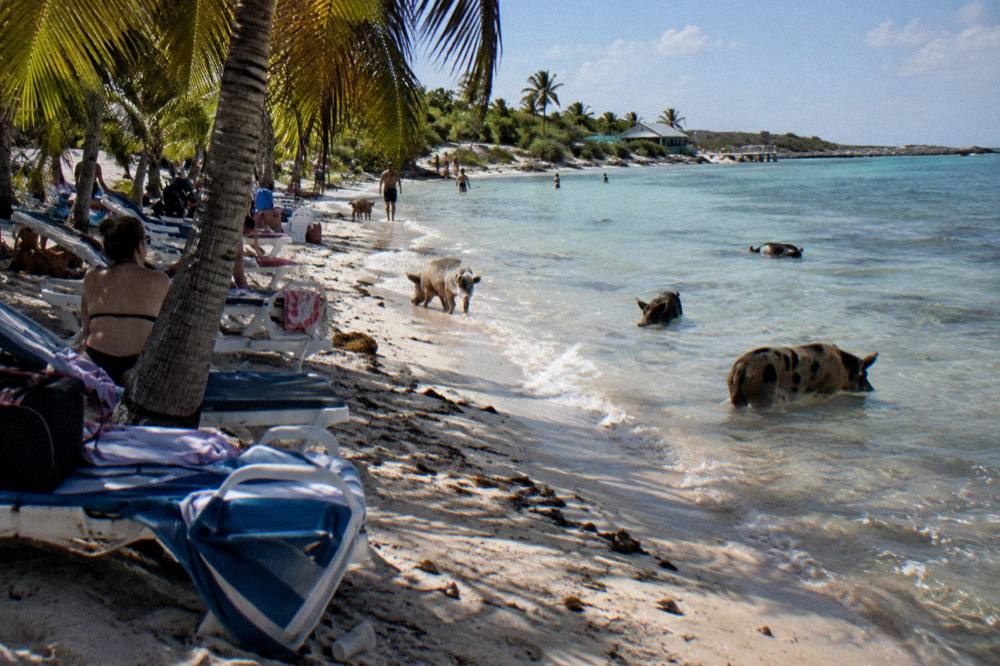
Several roster listings fit families by format. The Sand Dollar Resort day, from $75 and rated 4.0 from 137 reviews, includes kayaks, paddle boards, a water trampoline, and volleyball alongside the pig experience, so the pigs are one stop in a playing day rather than the whole event. The Da Pig Beach beach club trip with hotel pickup, from $139 per person and rated 4.7 from 79 reviews, includes lunch, a soft drink, chairs, and restrooms, which are the facilities that make a four-hour beach day work with younger children.
The private formats take the supervision question furthest. A charter like the Green Turtle Cay and Rose Island private tour from TandA Tours, from $850 per group and rated 4.8 from 22 reviews, means your own crew, your own pace, and the ability to leave when the children, or the pigs, have had enough. The site's dedicated guide to pig tours with kids works through ages, formats, and what to pack.
Can You Make An Ethical Pig Tour Work On A Cruise Day?
Yes, but the cruise clock pushes you toward Rose Island, and that constraint is itself an ethical input: the short formats concentrate visitors, so pick one with a structured, guided encounter rather than the cheapest bare transport. Independent bookings through this roster are the same listings anyone can take, all with free cancellation listed, and they start from $75, which undercuts the typical cruise-line excursion price range of $129 to $198 reported for pig beach formats.
The port logistics are documented elsewhere on this site, including the full cruise-day planning guide, so here the point is narrower. Excursion menus vary by line and sailing, and this site does not claim any named cruise line runs any specific pig trip. What is true is that the independent options are the ones on this roster, they carry the same animals and the same welfare considerations, and choosing a structured one is the decision that matters.

| Roster listing | Duration | Price from | Cruise-day fit | Welfare-relevant format |
|---|---|---|---|---|
| Water Taxi, No Meal | 4 hours | $89 per person | Comfortable | Bare-bones entry fee and guide only |
| Da Pig Beach escape, lunch | 4 hours | $129 | Comfortable | Guided private beach, lunch, facilities |
| 3 Islands tour | 4 hours | $122.85 per person | Comfortable | Multi-stop with captain and skipper |
| Sandy Toes 6-hour day | 6 hours | $258 | Tight | Full lunch day, guided |
| Exuma powerboat day | 8 hours | $439 | Not advised on a standard port day | Full-day multi-stop itinerary |
The Exuma day trips deserve the blunt warning this site gives elsewhere: operators report return times around 4:30 to 5 PM on the full-day Exuma runs, and a standard all-aboard can fall inside that window. A rushed operator at the pig stop is the predictable result of a schedule with no slack, and on Swim With Pigs Nassau the standing advice is that welfare and logistics point the same direction: short-day travelers should book Rose Island, and save Big Major Cay for a stay-based trip.
So Is Swimming With The Pigs Ethical?
Judged on the observable record, yes, it can be: two established colonies, a Ministry of Tourism that promotes responsible visits, and a roster full of operators running guided, paced encounters on beaches or full-day itineraries. The unethical version also exists, and it is made at booking time, by choosing an operator that crowds the animals, sells feeding as a game, or rushes the stop. The pigs have no advocate on the beach except the crew you chose and you.
The practical checklist is short. Book a listing that names a guide and a structured encounter. Prefer small groups or private formats when the budget allows. Treat feeding strictly as something the guide directs, never a self-serve activity. Give the pigs room to approach or withdraw, and leave the chase-and-pose photos to people who have not read this far. Read a page of recent reviews before paying, looking for the signals in the table above rather than the star rating.
Then take the pressure off the animals by taking pressure off the schedule. A 6-hour Sandy Toes day, from $258 and rated 4.7 from 1,282 reviews, gives the encounter room to breathe in a way a 2-hour sprint cannot. The best-time guide adds the seasonal layer: December to April is reported as the calmer window, and calmer seas mean fewer canceled boats and fewer operators compressing everyone into the same good-weather slot.
Common Questions About Swimming With Pigs Ethically
Are The Pigs In The Bahamas Treated Well?
No public welfare inspection or certification turned up for either colony, so no honest blanket verdict exists. The Ministry of Tourism recognizes Big Major Cay as the official home of about 20 pigs and piglets. Condition varies with the operator: guided, paced encounters on managed beaches are the responsible end of the market, and crowded, unmanaged feeding stops are the other end. Your booking choice is the welfare decision.
Is It Cruel To Swim With The Pigs?
Not inherently. At Big Major Cay the pigs swim out to approaching boats on their own initiative, and at Rose Island the encounters happen on managed beaches with guides. What would be cruel is forcing contact, chasing animals, or unmanaged feeding, all of which depend on the operator and the guests rather than the activity itself.
Does Feeding The Pigs Harm Them?
Feeding is part of how these encounters work, and the only guidance this site gives is to follow your guide's instructions on feeding. The concern in traveler and press accounts is that pigs can nip when food is present, which makes unstructured handouts a risk for both pigs and people. Keep feeding guide-directed and you avoid the known problem.
Which Operators Treat The Pigs Responsibly?
No operator carries an official welfare accreditation, because none exists. The listings that lean responsible describe guided encounters, structured days with meals and facilities, and formats that limit crowding, such as the Da Pig Beach private beach club escape from $129, or private charters like the Rose Island private trip from $775 per group. Read recent reviews for how the crew handles the encounter.
Is Rose Island Or Big Major Cay More Ethical?
Neither has a clean win. Rose Island concentrates many short visits on one managed colony close to Nassau; Big Major Cay spreads visits across an uninhabited cay where roughly 20 pigs swim out to boats on their own terms. Both formats can be run responsibly. Choose the operator, not the island, as your ethical lever.
Can Children Visit The Pigs Ethically?
Yes, with close supervision. The Rose Island short formats are the family-friendly ones on this roster, with lunch, shade, and restrooms on several listings. Children should stay with the guide, stay calm in the water, and treat feeding as guide-directed. Minimum ages vary by operator, so check the listing before booking.