What Killed The Swimming Pigs? What Is Actually Known
Searches about what killed the swimming pigs spike every few years, usually after a headline recycles an old story. Here is what the official record actually supports, what it does not, and how that should shape the trip you book.
Short answer
The Bahamas Ministry of Tourism's official page confirms the pigs are not native, that about 20 pigs and piglets live at Big Major Cay, and that their origin is uncertain. It documents no specific deaths, dates, counts or causes, so none are printed here. What a visitor can control is choosing an operator and behaving sensibly around the animals.
The question "what killed the swimming pigs" sends many people to search engines every year, and most of what they find is a recycling loop: an article cites an article that cites a headline. The Bahamas Ministry of Tourism, the one official source that speaks directly about the swimming pigs, says a great deal about where they live and how they got there, and nothing specific about any deaths. That gap matters. A reader deserves to know what is documented, what is folklore, and where the line sits.
This page sticks to that line deliberately. It covers what the official record states about the Big Major Cay colony, why specific causes and dates cannot be honestly printed here, how the Rose Island colony near Nassau differs, and how all of that should practically shape the tour a visitor books, from the Sandy Toes 6-Hour Day to the private charters out of Nassau.
What Is Actually Known About Pig Deaths In The Bahamas?
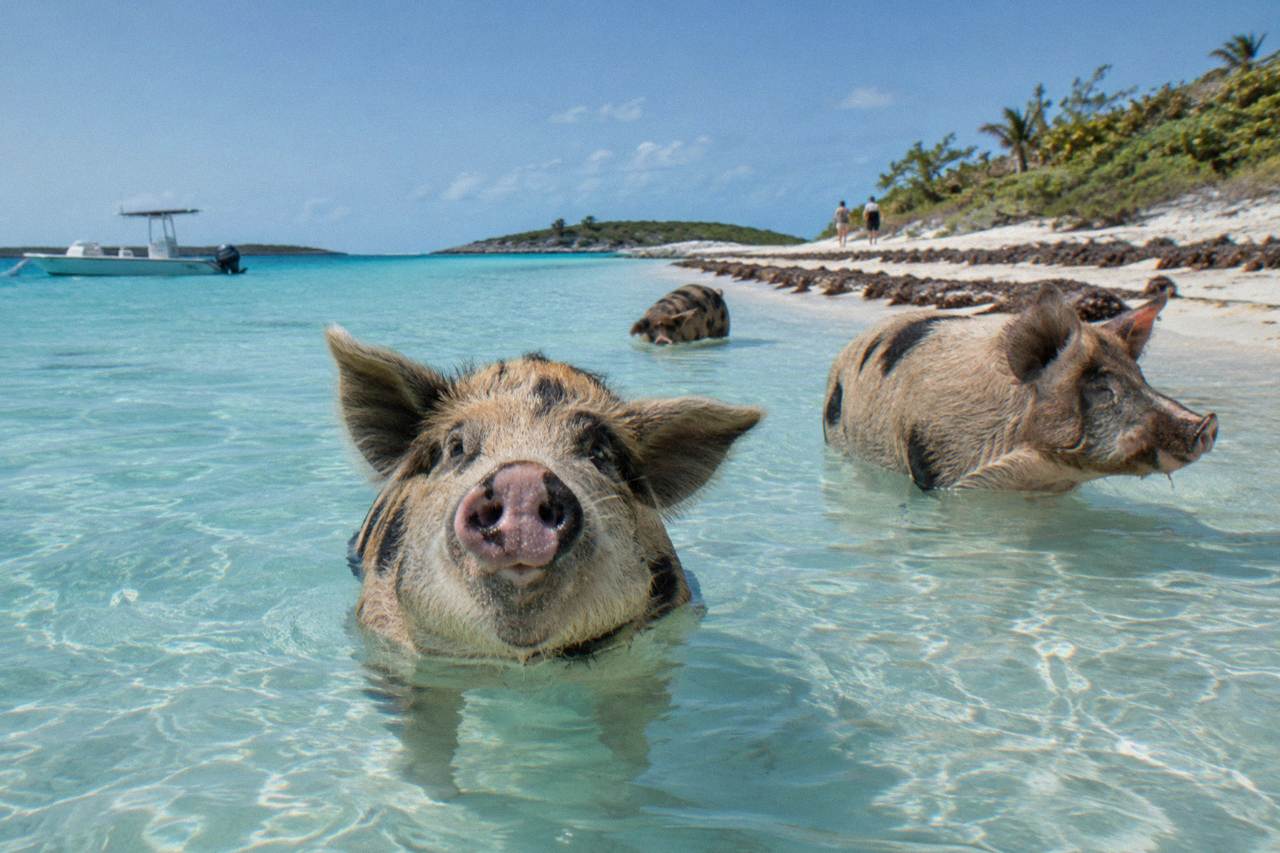
The official source on the swimming pigs documents no specific deaths, no dates, no counts and no confirmed causes, so this page prints none. What the official page does state is that the pigs at Big Major Cay are not native, that how they arrived is genuinely not known, and that about 20 pigs and piglets live on the island today with daily visits from tour boats.
The Ministry of Tourism's swimming pigs page is the closest thing to a primary document on the colony. It describes Big Major Cay as uninhabited, home to a population of roughly 20 animals, and a fixture on Exuma day-trip itineraries that also stop at Thunderball Grotto, Compass Cay, Stocking Island, Blow Hole Cay, Bitter Guana Cay and Staniel Cay. It repeats the two commonly told origin stories, sailors left them there, or they swam ashore from a shipwreck, and labels both as stories, not settled history.
What that page does not do is publish an incident record. No mortality figures, no veterinary findings, no dates. Press coverage over the years has floated various explanations for pig deaths on the cay, and those accounts exist, but they are not corroborated in the official sources cited here, and repeating a dramatic claim without a document behind it is how misinformation compounds. The honest answer to the search question is that the specifics are not documented in the sources a site like this can stand behind.
That unsatisfying answer is still useful. It tells you the colony is real, small, heavily visited and loosely understood, which is exactly the context a thoughtful traveler needs before handing money to an operator. If welfare is your concern, the useful starting point is not archaeology of past headlines, it is the choices you make on the day, and those are covered further down this page.
Why Can't Specific Causes Or Dates Be Printed Here?
Every specific figure attached to pig deaths, a year, a number of animals, a cause, traces back to press reports and secondhand summaries rather than an official record, and this site's policy is to print only figures it can source. Inventing precision where none exists would be a disservice to readers who genuinely care about the animals' welfare.
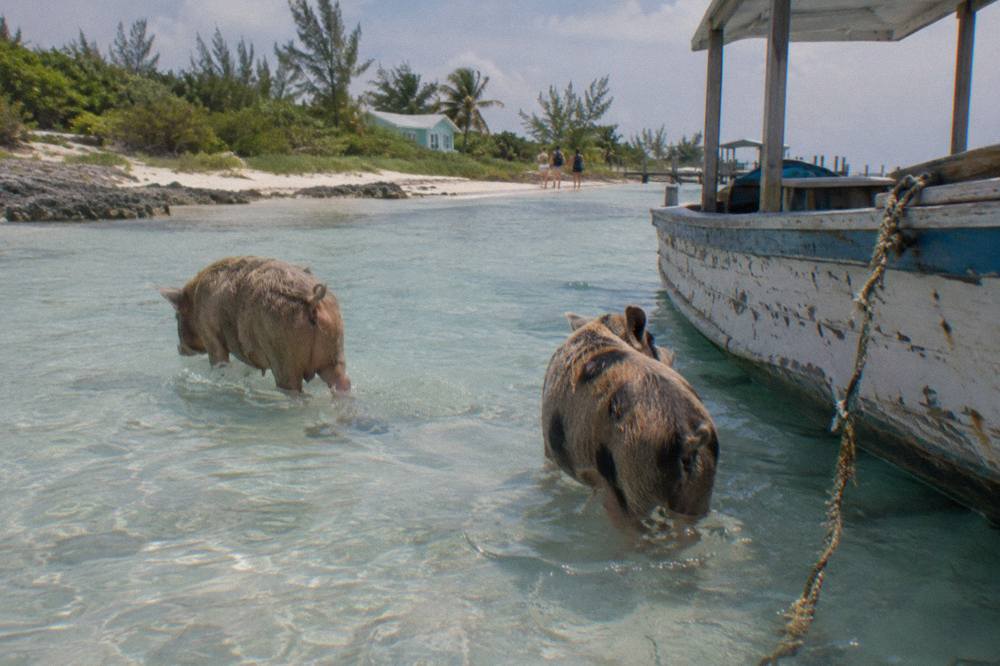
There is a strong temptation for travel content to grab the most vivid version of a story because it ranks. The problem is that each retelling adds a detail the last one lacked, and within a few hops the article asserts confidently what began as rumor. The verifiable facts are narrower: the colony exists, it is not native, its origin is uncertain, and it numbers about 20 animals. Everything past that sentence is contested or unsourced.
This matters for another reason. A reader who believes a specific, dramatic cause may conclude the problem is solved, or hopeless, or someone else's fault, and book accordingly. A reader who understands the limits of the record understands something more actionable: the welfare of about 20 animals on a tiny cay, plus the separate colony at Rose Island, depends heavily on how each day's visitors and operators behave. That is where your money has influence.
How Many Swimming Pigs Live At Big Major Cay Now?
The official figure is about 20 pigs and piglets at Big Major Cay, according to the Ministry of Tourism page, which also notes the island is uninhabited and receives daily visits. No official population trend, breeding count or mortality figure is published, so 20 is the only number this page will stand behind.
A population that small explains both the appeal and the fragility of the site. Twenty animals on an uninhabited cay, visited by boats most days, live entirely at the intersection of tourism and nature. The same page that gives the population also confirms day trips run from both Nassau and the Exumas, which tells you the visitation is not occasional, it is the colony's daily reality.

Welfare-minded travelers sometimes assume the smaller, nearer Rose Island colony is the more responsible choice, or the reverse. Neither assumption holds up on its own. The honest comparison, including a deeper look at the two sites, is in the guide on Exuma versus Rose Island pigs.
Are The Rose Island Pigs The Same As The Exuma Pigs?
No. The Rose Island pigs near Nassau are a separate, local colony at a private beach club, roughly 20 to 30 minutes by boat from the city, while the famous swimming pigs of Big Major Cay sit about 82 to 86 miles southeast in the Exuma Cays. They are different animals, different setups and different days out.
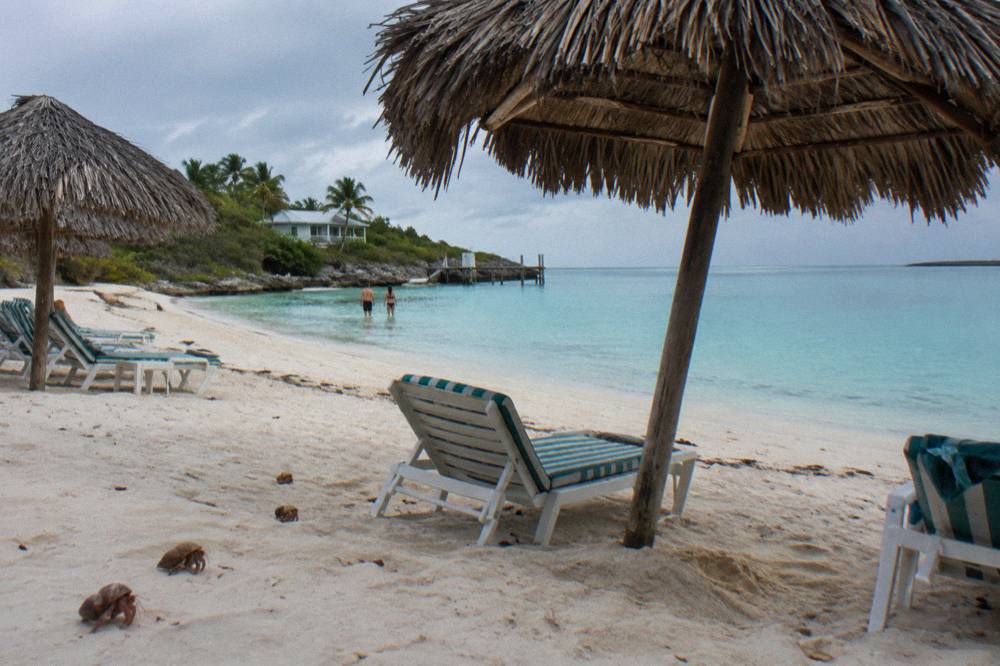
The distinction is worth repeating because marketing often blurs it. When a Nassau tour says "swimming pigs," it almost always means Rose Island: a short ride, a private beach, resident pigs, and typically a few hours of beach club time. The Exuma day trips, whether by speedboat or by plane, mean a much longer journey to the original colony, usually packaged with iguanas, nurse sharks, snorkeling and lunch. The Nassau Cruise Port's Rose Island page positions it as exactly that: the short, easy version of the pig experience for people with limited time.
| Big Major Cay (Exuma) | Rose Island (Nassau) | |
|---|---|---|
| Colony | About 20 pigs and piglets, official figure | Separate local colony at a private beach club |
| Distance from Nassau | Roughly 82 to 86 miles southeast | About 20 to 30 minutes by boat |
| Typical tour length | 6 to 9 hours door to door | 2 to 6 hours |
| Setting | Uninhabited cay, open beach | Private beach club with staff and facilities |
| Typical price range | From $378 to $850 depending on format | From $75 to $258 depending on format |
| Supervision | Your tour guide | Beach club staff plus your tour guide |
Prices in the table are real roster endpoints: the Rose Island range runs from the Sand Dollar Resort Day at from $75 per person up to the Sandy Toes 6-Hour Day at from $258, while the Exuma formats run from the Exuma Escapes 8-hour trip at from $378 per person to the fly-and-boat Elite Escape at from $850. None of those numbers describe welfare on their own, but duration and setting do tell you how much structure surrounds the encounter. The full index of guides sits on Swim With Pigs Nassau.
The Sandy Toes 6-Hour Day, rated 4.7 from 1,282 reviews, is the longest Rose Island option and includes a full Bahamian lunch, snorkel gear and standard alcoholic beverages. At the other end of the scale, the Water Taxi, No Meal trip at from $89 per person, 4.5 from 656 reviews, is the bare-bones version: entry to the pig beach and a guide, nothing else.
For a family weighing whether the beach club format suits them, that Sandy Toes day is the fullest version of it: six hours, lunch, drinks and gear in the price. Shorter and cheaper options exist, but few pack as much structure around the pig encounter itself.
How Do You Choose An Operator That Treats The Pigs Well?
Read the inclusions and the format. A listing that names a guide, a private beach or beach club, a set encounter structure and clear feeding arrangements is describing a managed interaction, while a bare boat-and-pigs listing leaves the encounter to whatever happens on the sand. Group size, duration and whether food is part of the pitch are the three signals worth checking.
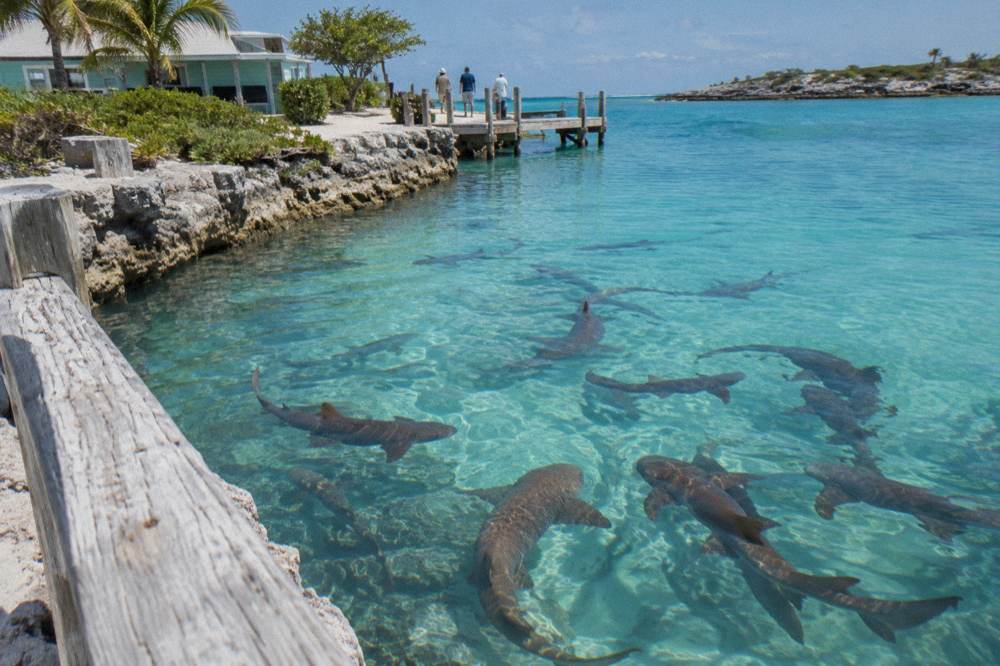
No regulator publishes an operator welfare score, so a visitor has to read between the listing's lines. The roster on this site makes that easier than most, because every listing states what is actually included. Here is how a few of the stronger options stack up on the signals that matter:
| Listing | Format | Duration | What the listing includes | Rating and reviews |
|---|---|---|---|---|
| Private Beach Club, Lunch (Da Pig Beach Nassau) | Shared group, private beach | 4 hours | Boat ride, guided pig encounter, Bahamian lunch and a soft drink, chairs, snorkel gear, paddle boards, all fees | 4.7 from 1,680 reviews |
| Turtle Snorkel, Snacks (Delfincharters) | Shared group, multi-stop | 3 hours 30 minutes | Bottled water, snacks, soft drinks, kayak and paddleboards on Rose Island, toilets on board | 4.8 from 1,068 reviews |
| Island Hopping, Lunch Included (Shore To Shore) | Shared group, multi-stop | 4 hours | Water, landing and facility fees, paddle boards, lunch | 4.0 from 125 reviews |
| Private Charter, Snorkel and Turtles (Bahamas Land And Sea Tours) | Private, per group | 4 hours | Private boat, rum punch, sodas, water, snorkel gear | 4.6 from 245 reviews |
One pattern stands out: trips with a named guide and a structured encounter, like the featured Private Beach Club, Lunch trip at from $129, describe a managed interaction rather than a free-for-all.
The featured trip deserves its spot for exactly this reason: the listing describes a 30-minute boat ride, a guided encounter on a private beach, a Bahamian lunch with a soft drink, chairs, restrooms, snorkel gear and paddle boards, and all fees and taxes folded in. Free cancellation is listed. For a traveler whose interest in "what killed the swimming pigs" is really a question about how to visit responsibly, it is the most structured Rose Island option at its price point.
The Exuma side rewards the same scrutiny. The Exuma Island Hopping trip with lunch, 4.8 from 688 reviews, from $438.90, spreads its day across pigs, iguanas, snorkeling and a restaurant lunch rather than leaning entirely on the pig stop. The 3 Stops trip from Sail Tomorrow, 4.9 from 414 reviews, from $149, lists vegan and vegetarian lunch options and visits three islands. A day built around multiple stops puts less of the commercial weight on any single colony.
That Sail Tomorrow catamaran day is a sub-$150 multi-stop trip near Nassau, and its multi-stop structure means the pig encounter is one chapter rather than the whole book. It also carries a washroom and a full lunch, which matters on a 5 hour 30 minute day.
What Should Visitors Not Do Around The Pigs?
Do not bring your own food for the animals, do not chase or grab them, and follow your guide's instructions on feeding if feeding is part of the encounter. Traveler and press accounts consistently describe pigs nipping when food is present, so keep food secure and let the guide run the interaction. Nothing else about visitor rules is officially documented.
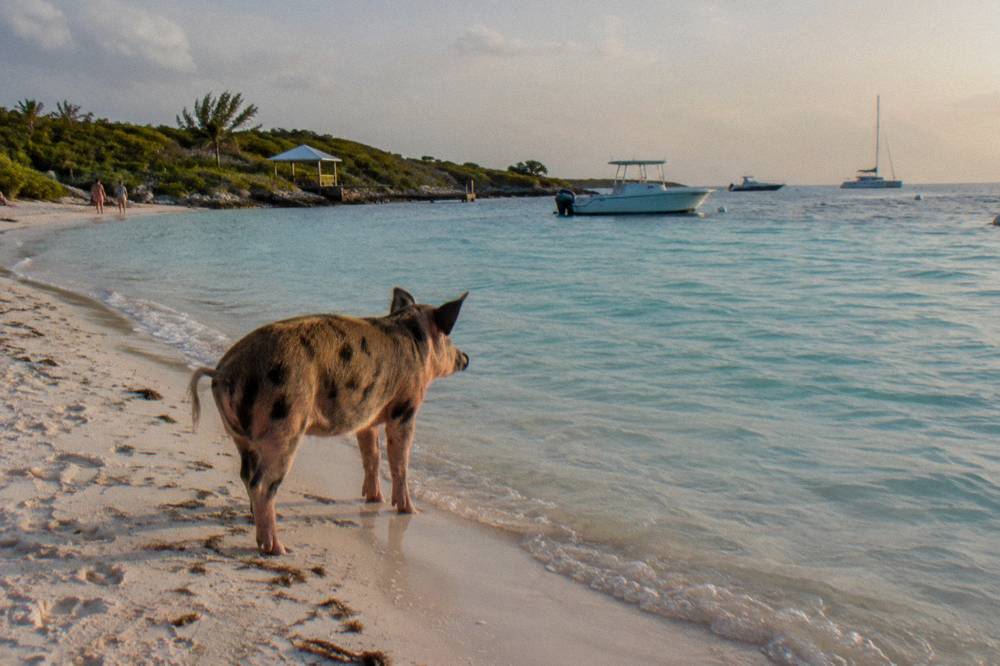
This is where the search term that brought you here turns practical. The official record may be silent on past deaths, but it is not silent on the present: about 20 animals, daily visits, uninhabited island. That combination means visitor behavior is not a footnote, it is the main variable. The guidance that can be given honestly is short: follow your guide's instructions on feeding, keep your own food packed away, give the animals space, and do not pursue a pig that walks away for the sake of a photo.
Press accounts and traveler reviews describe nips and bites around food, sometimes needing medical attention, so treat the animals as livestock rather than pets. There is no approved-food list, no signage regime and no published feeding regulation this site can cite, and inventing one would be exactly the kind of unsourced precision this page refuses elsewhere.
The choice of format does quiet work here too. A private charter, like the Private Rose Island trip from Bahamas Land And Sea Tours at from $775 per group, rated 4.6 from 245 reviews, caps the number of people around the animals at your own party. A shared water-taxi day puts a larger crowd on one beach. Neither is automatically kinder, but if you have watched a throng of cruise passengers circle two piglets and did not like it, group size is the dial you can turn.
A private charter is also the right answer for anyone nervous about crowds, small children in the water, or simply wanting the encounter to last longer than a shared schedule allows. Four hours, your own boat, rum punch and snorkel gear included, and the price is for the group, not per person.
For travelers who want the fuller ethical picture beyond behavior on the beach, the piece on whether swimming with the pigs is ethical works through the arguments on both sides, and the guide to why there are pigs in The Bahamas covers the origin stories in detail.
Should Welfare Concerns Stop You From Booking A Pig Tour?
For most visitors the answer is no, provided the booking is made with the same care as the behavior on the beach: a structured trip, a named guide, sensible group size, and following instructions around the animals. The official record supports that the colonies are visited daily and that managed encounters are the norm, not an anomaly, on both Rose Island and the Exuma route.
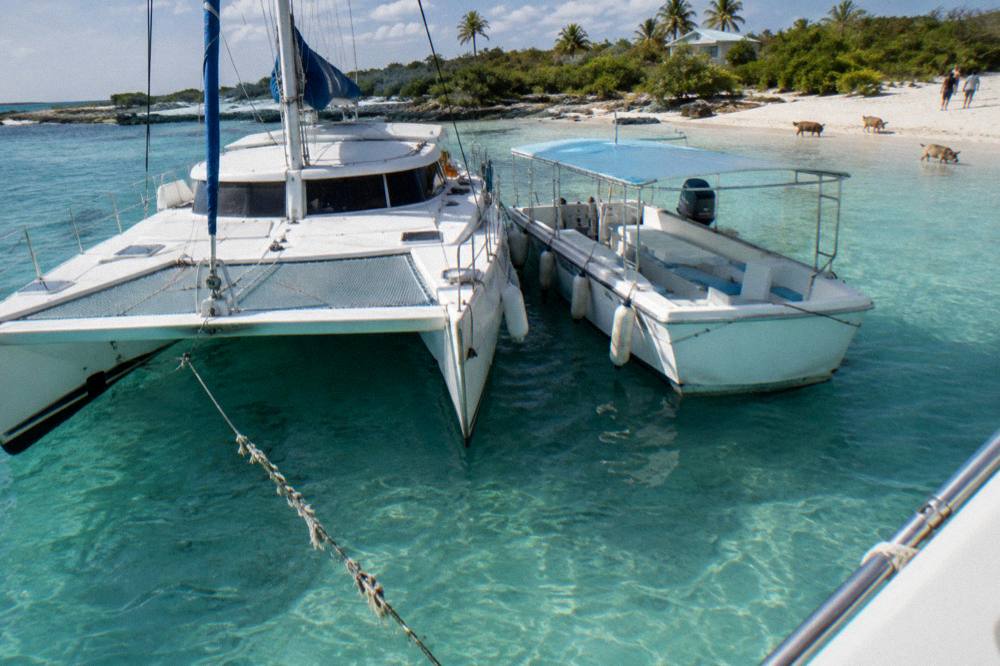
Refusing to visit does not feed a single pig. Choosing the right operator, paying a price that includes landing and facility fees where they apply, and behaving calmly around the animals does far more concrete good, and it is the takeaway this site stands behind. The search question about what killed the swimming pigs is, at bottom, a question about whether the whole enterprise is harmful. The evidence available says the enterprise is large, daily and here to stay, and that the variable within a visitor's control is the quality of the operator and the visit.
The budget end of the roster shows how accessible a structured day has become. The Water Taxi, No Meal trip at from $89 per person still includes the pigs beach entry fee and a guide. The Group Beach Day at from $109 per person adds water beds, volleyball and an observation deck. The 2 Islands Express at from $79 per person, 4.1 from 255 reviews, compresses the whole thing into under three hours. All three list free cancellation.
| Budget Rose Island listing | Price | Duration | Rating and reviews | Guide and entry covered |
|---|---|---|---|---|
| 2 Islands, Under 3 Hours (SunCay) | From $79 per person | 3 hours | 4.1 from 255 reviews | Guide listed; lounge chairs listed |
| Water Taxi, No Meal (Tour Daddy LLC) | From $89 per person | 4 hours | 4.5 from 656 reviews | Guide listed; pigs beach entry fee listed |
| Group Beach Day, No Meal (Tour Daddy LLC) | From $109 per person | 4 hours | 4.2 from 316 reviews | Piglets and pigs encounter listed with amenities |
| Sand Dollar Resort Day, No Meal (Sand Dolla Beach Resort) | From $75 per person | 4 hours | 4.0 from 137 reviews | Swimming pig experience listed with gear and activities |
The water taxi and express listings name a guide in the inclusions, which is the single most important structure for a calm, managed encounter. Price, in other words, does not decide welfare; format and behavior do.
Readers who land here worried usually leave wanting two things: an honest account and a responsible booking. Between the featured Rose Island beach club day, the Exuma island-hopping trip with lunch and the private charter, all three formats are covered, each with free cancellation listed on the live listing. Book the one whose structure matches your group, then let the guide run the beach.
Common Questions About What Killed The Swimming Pigs
What Killed The Swimming Pigs?
The specific causes, dates and numbers attached to past pig deaths at Big Major Cay are not documented in the official sources cited on this page, so none are printed. What is official is that the colony of about 20 pigs and piglets continues to live on the cay with daily visits.
How Many Swimming Pigs Are Left In The Bahamas?
The Ministry of Tourism page states about 20 pigs and piglets live at Big Major Cay. A separate colony lives at Rose Island near Nassau, and its population is not officially published.
Are The Rose Island Pigs The Same As The Exuma Pigs?
No. Rose Island, about 20 to 30 minutes by boat from Nassau, hosts a separate local colony at a private beach club. Big Major Cay in the Exumas, roughly 82 to 86 miles southeast, is the original and officially recognized site.
Is It Safe To Swim With The Pigs?
Traveler and press accounts describe pigs nipping when food is present, so keep food secure and follow your guide's instructions on feeding. Choose a structured trip with a named guide and a sensible group size for the calmest encounter.
Can I Feed The Pigs Myself?
Follow your guide's instructions on feeding. If a trip includes a feeding moment, the guide runs it; do not bring your own food for the animals.
Which Tour Is The Most Responsible Choice?
Look for a listing that names a guide, includes landing or facility fees where applicable, and describes a structured encounter on a private beach or beach club. The featured Rose Island Private Beach Club, Lunch trip and the Exuma Island Hopping trip with lunch both fit that pattern.