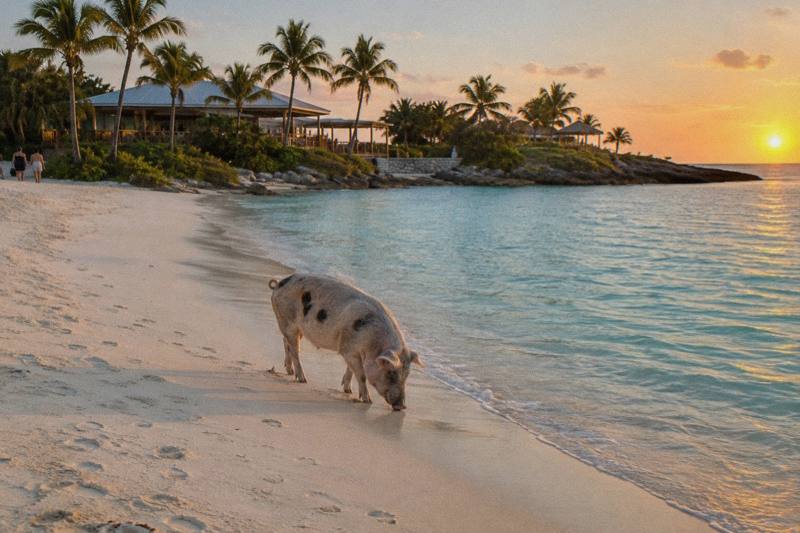
Is Swimming With The Pigs Safe? Nips, Sharks And Sea Conditions
Safety worries are the main objection travelers raise before booking a pig swim. Here is what operators, official sources and guest accounts actually report about nips, sharks, boat chop and sun.
Short answer
Swimming with pigs in the Bahamas is generally a low-risk, guided activity, but it is not risk-free: pigs can nip when food is present, the open-water Exuma speedboat run can be rough, and sun exposure is constant. Rose Island trips, from $75 per person, involve a shorter boat ride and gentler conditions than the 8-hour Exuma day.
Nips, sharks and a long open-water crossing are the three things people actually search for once the photos stop being the selling point. The honest answer is that swimming with pigs in the Bahamas sits in the same risk family as any guided wildlife-and-boat day: manageable for most travelers, unsuitable for a few, and heavily dependent on which trip you pick. A four-hour Rose Island beach club day and an eight-hour Exuma speedboat run share the word "pigs" and almost nothing else.
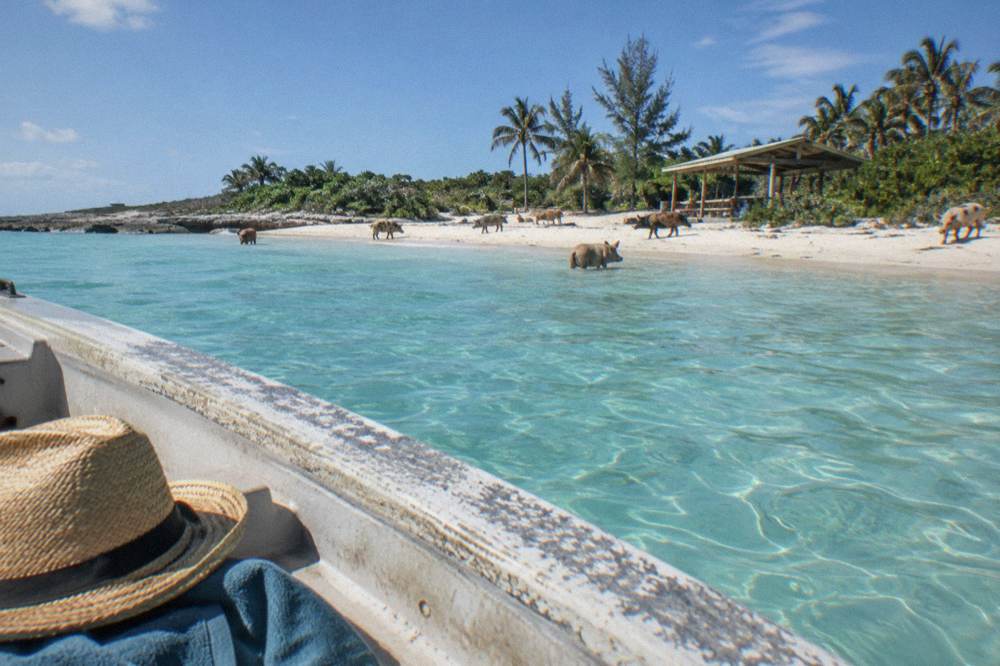
The official Ministry of Tourism page on the swimming pigs describes Big Major Cay as an uninhabited island where about 20 pigs and piglets live and receive daily visits, and it is candid that the pigs are not native and that nobody knows for certain how they arrived. That framing, wild animals on a remote cay reached by a long boat ride, is the right mental model for the Exuma version. The Rose Island version is a separate colony of local pigs at a private beach club about 20 to 30 minutes from Nassau, and that difference drives almost every safety trade-off in this guide.
Do The Pigs Bite?
Yes, pigs can nip, and food is the trigger. Traveler accounts and press reports describe nips and bruises, mostly from large pigs when food is present, so the standard advice is simple: keep your hands closed around any snacks, follow your guide's instructions on feeding, and give the biggest animals space. No reliable statistics exist, and none are needed; the pattern is consistent across accounts.
The pigs at Big Major Cay are wild animals that associate boats with food, and the Rose Island pigs are habituated but still pigs: strong, fast when motivated, and uninterested in etiquette. The incidents described in traveler accounts cluster around feeding moments, when several animals converge on one person holding food. They are described as nips and bruises rather than attacks, but a few accounts mention swelling or infection afterwards, which is the ordinary consequence of any animal break in skin, not a pig-specific horror story.
The practical rules that follow from the accounts are short. Do not carry food in a bag or pocket onto the beach. Do not hand-feed from an open palm while surrounded, and follow your guide's instructions on feeding at all times, since guides control when and where food enters the water. Watch small children continuously, because a child at pig height holding food is the one configuration every account treats as the obvious risk. And do not chase, grab or ride the animals, which sounds obvious until a tour group starts posing for photos.
Guided tours earn their keep precisely here. On a listing such as the 3 Islands tour by Shore To Shore Bahamas (from $122.85 per person, 4.3 from 3,591 reviews), a captain and skipper run the encounter and the same crew handles the reef snorkel stop, so the pig moment is supervised rather than freeform. If the ethical questions around the encounters interest you as much as the safety ones, the companion piece on pig welfare and ethics goes deeper than this page does.
| Risk factor | What accounts describe | How you reduce it |
|---|---|---|
| Nips during feeding | Large pigs converge when food appears; nips and bruises reported | Follow your guide's instructions on feeding; keep food sealed away |
| Crowding at the waterline | Multiple pigs toward one person or boat | Enter the water where the crew directs, not where the food is |
| Children at pig height | Kids holding food attract the biggest animals | Adults hold any food; keep children beside a grown-up |
| Post-nip infection | Occasional swelling or infection mentioned in accounts | Clean any break in skin promptly and seek care if it worsens |
Are The Nurse Sharks At Compass Cay Dangerous?
Operators describe nurse sharks as bottom-dwelling, gentle and accustomed to people, and no roster trip promises a shark swim. Compass Cay is a stop on the full-day Exuma tours, not on Rose Island trips, and the description comes from operators themselves: nurse sharks are sedentary bottom feeders, not hunting predators. Treat them as wild animals with a calm temperament, and the risk stays low.
Nurse sharks are among the most docile shark species in tropical waters: slow, sedentary, and adapted to resting on the bottom rather than chasing prey. Operators around Staniel Cay, where the Exuma day trips call, describe them as gentle and habituated to people through regular feeding, and guests wade among them routinely. The caution worth repeating is the one that applies to the pigs too: any wild animal around food behaves differently than one at rest, so hands off, and follow whatever the crew says in the moment.
Which trips even reach Compass Cay matters more than the sharks themselves. Only the full-day Exuma runs from Nassau make those stops, because the cay sits in the Exuma chain, roughly 82 to 86 miles southeast of Nassau by the reported routes. The 8-hour Exuma powerboat day by Aqua Shores (from $439, 4.8 from 536 reviews) lists lunch, beer, bottled water and snacks, and its route is the classic chain of stops. Rose Island trips do not include a shark stop; their snorkel stops are reef and turtle sites near Nassau, which is one reason families with nervous swimmers often choose them. The full stop-by-stop picture, including Thunderball Grotto and the iguana cays, is in the Exuma stops guide.
How Rough Is The Boat Ride To Exuma?
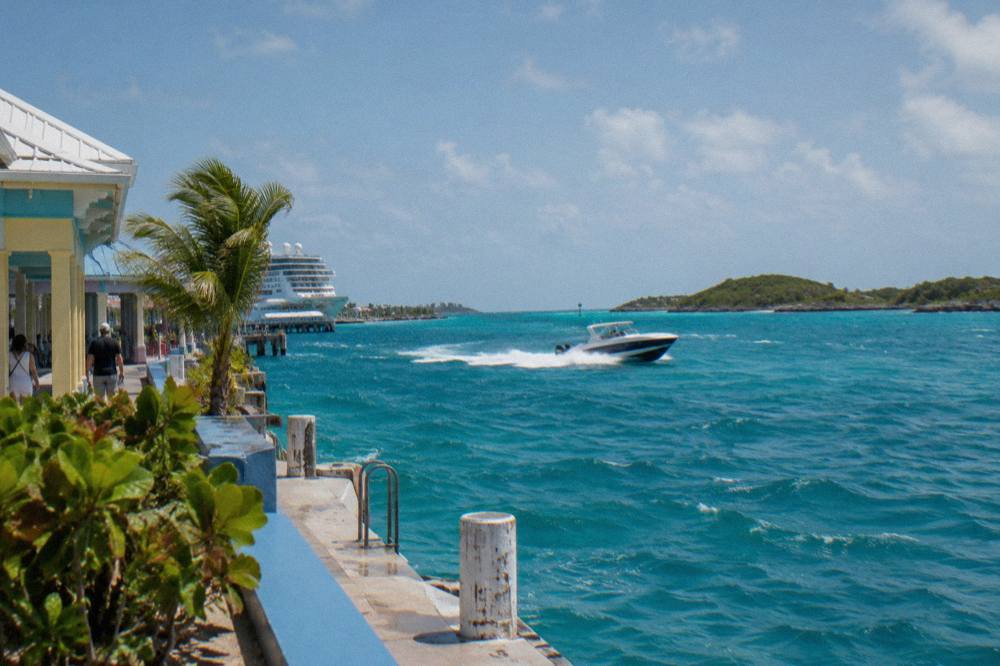
Rougher than most people expect, and it is the single biggest safety factor on Exuma trips. Forum and operator reports describe 3 to 5 foot steep chop when winds exceed 20 knots on the Nassau to Exuma Cays run, with seasickness a common complaint. December to April is reported as the calmer window, and operators reschedule or refund when seas force a cancellation.
The mathematics are unforgiving: sources put Big Major Cay roughly 82 to 86 miles southeast of Nassau, and reported one-way speedboat times range from about 1 to 3 hours depending on the vessel and the sea state. That is one to three hours of open-water pounding in each direction, and a short, steep wind chop is more punishing than a long swell. Operators and reviewers both flag seasickness on this run, and the standard countermeasures (medication taken before departure, a stern seat, light breakfast) are worth using rather than improvising mid-channel.
Weather cancellations on the Exuma boat runs are common and are treated as normal operations: operators typically reschedule or refund when seas are unsafe. Every listing in this site's roster shows free cancellation, so a weather call rarely costs the fare. If your dates sit inside hurricane season, June 1 to November 30 per NOAA's Atlantic season definition, build a backup day into the itinerary and read the detailed advice in weather and cancellations on pig tours.
The contrast with Rose Island is stark and is the core safety trade on this site. Rose Island sits about 20 to 30 minutes from Nassau by boat, so even a breezy morning produces a short ride inside relatively protected water. The water taxi format by Tour Daddy LLC (from $89 per person, 4.5 from 656 reviews) includes only the pigs beach entry fee and a guide, while the Da Pig Beach trip with hotel pickup and lunch (from $139 per person, 4.7 from 79 reviews) spends the same four hours but adds transport and a full Bahamian meal.
| Route | Reported one-way time | Typical conditions | Who it suits |
|---|---|---|---|
| Nassau to Rose Island | 20 to 30 minutes | Short ride, relatively protected water | Most ages, nervous swimmers, cruise days |
| Nassau to Exuma Cays by speedboat | About 1 to 3 hours | Open water; 3 to 5 ft chop in winds above 20 knots | Fit travelers comfortable with a pounding ride |
| Nassau to Exumas by small plane | About 30 to 45 minutes | Shortens the open-water crossing | Those who want the shortest crossing, at a higher price |
Who Should Skip The Exuma Speedboat Run?
Operators state plainly that their open-water Exuma boat tours are not suitable for pregnant travelers or anyone with back or neck problems, and the motion explains why. The same trips generally suit confident swimmers and adults far better than toddlers. Travelers who are pregnant, recovering, or motion-sensitive should choose a Rose Island trip or a fly-over format instead, and minimum ages vary by operator, so check the listing.
The prohibition is not legal boilerplate; it reflects several hours of high-frequency vibration and impact across open water. A powered catamaran or speedboat at speed in a short chop delivers repeated vertical impacts to the spine, which is exactly the wrong input for a bad back, a healing neck or a pregnancy. Operators publish the restriction themselves, and the roster's Exuma boat listings carry it. If any of those conditions describe your party, the fix is not to brace harder; it is to pick a different format.
Rose Island trips are the standard alternative, and operators report more flexible age and pregnancy policies there precisely because the crossing is minutes rather than hours. The Da Pig Beach private beach club escape from Nassau (from $129, 4.7 from 1,680 reviews) is a four-hour shared day with a 30-minute boat ride each way, beach chairs, a Bahamian lunch and a soft drink included, and free cancellation listed. For families weighing the whole question, swimming with the pigs with kids covers ages, life jackets and pacing in detail.
Flying is the third path. A small plane covers Nassau to the Staniel Cay area in about 30 to 45 minutes each way, avoiding the pounding entirely; the fly-in premium trip with roundtrip flight and hotel pickup runs from $850 with lunch and drinks listed. It costs a multiple of the boat fare, but for a traveler who must reach Big Major Cay without the crossing, it is the only format that solves both problems at once. The trade-offs are laid out side by side in the plane-versus-speedboat comparison.
Is The Water Safe For Swimming And Snorkeling?
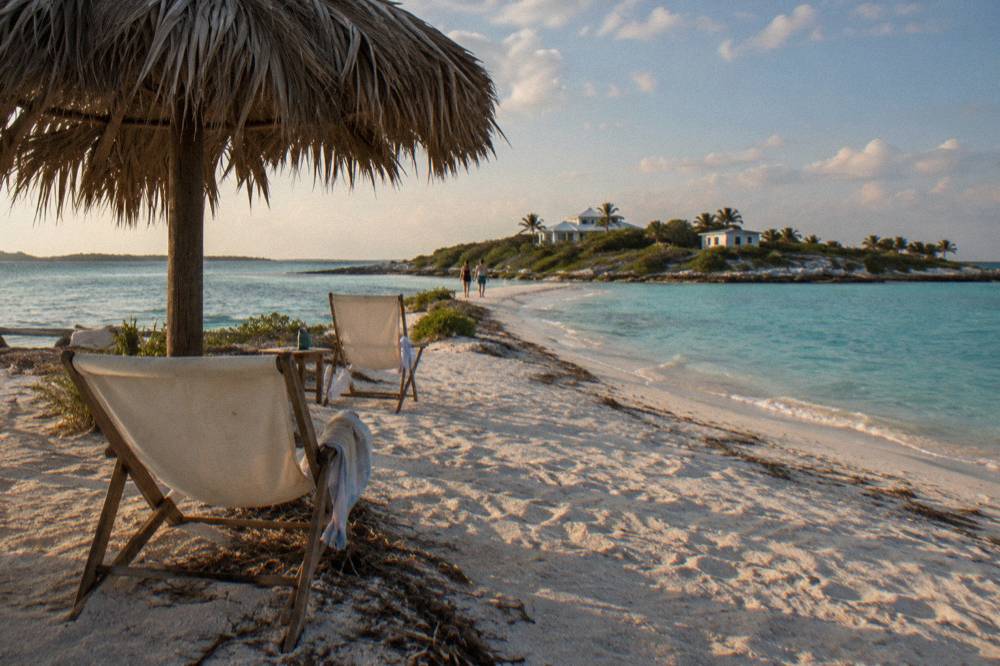
Generally yes: the snorkel stops on these trips are shallow, sheltered reef and turtle sites, gear and life jackets are listed on the beach club tours, and crews supervise the water. The real hazards are ordinary sea hazards, currents at reef edges, boat ladders and propellers, and sun, none specific to pigs. Weak swimmers should say so at check-in and use a jacket.
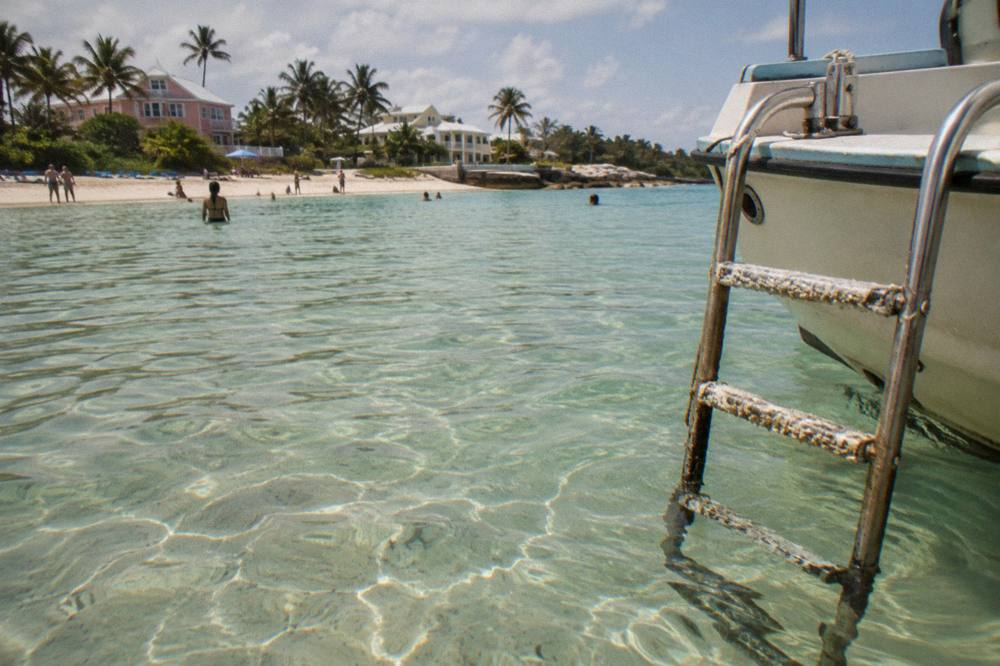
Several of the roster's Rose Island listings include snorkel gear, and some list life jackets, and the multi-stop tours carry dedicated snorkel stops with crew in the water or watching from the boat. That said, a reef edge can hold a current even on a calm day, and the moments of minor chaos on any boat trip happen at the ladder, where wet hands, waves and a ladder swinging against a hull combine. Swim away from the stern, wait for the crew's signal before approaching, and keep children in jackets whenever they are not standing on sand. Other pages covering the same trip are gathered on Swim With Pigs Nassau.
One honest note on water quality: a few traveler accounts mention feces in the water where pigs congregate, which is the unavoidable byproduct of animals living on a beach. Nobody regulates it away, and nobody needs to panic about it either; avoid swallowing water in the immediate swim area, rinse off afterwards, and treat any cut promptly regardless of which beach you are on. The same hygiene logic as the nip advice applies.
Sea temperature is rarely a hazard in itself, and the approximate averages are warm year-round: 23 to 26 degrees C in January through March, rising to 29 to 31 degrees C in July through September.

| Month | Approx. sea temperature | Notes for a pig swim |
|---|---|---|
| January to March | 23 to 26 C | Reported calmer seas on the Exuma run |
| April to June | 25 to 30 C | Warm and increasingly humid |
| July to September | 29 to 31 C | Peak heat; hurricane season runs through November 30 |
| October to December | 24 to 30 C | Cooling water; December returns to the calm window |
What About Sun, Heat And Dehydration?
Sun is the most certain hazard on any pig tour: UV is high year-round in the tropics, summers are hotter and more humid, and you will spend hours on open water or sand with no natural shade. Reef-safe sunscreen, a hat, a rash guard and real water intake are the countermeasures; several roster tours list drinks and bottled water among the inclusions, but bring your own supply anyway.
Travelers consistently underestimate the Bahamian sun because the breeze on a moving boat hides the burn happening in real time. The pattern reported across climate and tour sources is high UV in every month, with spring through fall the most intense and summer air temperatures peaking in the low thirties Celsius. Two hours of reflected radiation off white sand and turquoise water is the equivalent of a much longer land exposure, and a sunburn on day one can ruin days two through five of a trip.
The fix is mechanical, not heroic. Apply sunscreen before the boat leaves and reapply after the swim, and prefer a rash guard for children or anyone who burns easily, since fabric does not wash off. Wear a hat that will survive wind, or accept losing it. Drink water steadily rather than waiting for thirst, and note which tours help: the 3 Islands tour lists lunch and drinks, the Sandy Toes six-hour day includes lemonade during lunch service and standard alcoholic beverages, and the two-hour pig swim by Bahamas Water Toys and Tours (from $154 per person, 4.6 from 68 reviews) lists unlimited soft and alcoholic drinks on board. Alcohol plus sun plus boat motion is a poor mix, so alternate accordingly. The full packing logic, including reef-safe options, lives in what to bring and wear.
Is A Guided Tour Safer Than Going Independently?
Yes, in every way that matters here. A crewed tour brings local knowledge of sea state, controlled pig encounters, gear, life jackets and someone responsible if anything goes wrong, which independent boat rental does not. Every listing on this site's roster shows free cancellation, and all but the self-drive speedboat run with a captain and crew; the self-drive option it hands the navigation and the judgment calls to you.
The safety case for guided trips is not marketing; it is structural. Sea state on the Exuma run is a local judgment, and operators cancel or reschedule it based on conditions a visitor cannot assess from a dock in Nassau. The pig encounter itself is supervised, which is exactly the configuration that avoids the food-triggered nips described above. Gear, fees and lunch logistics arrive handled. And on the water, a professional captain is the difference between a stressful crossing and a story.
The one genuinely independent option in the roster is the self-drive speedboat by Cruising Adventures (from $150 per person, 4.5 from 121 reviews), a two-hour private format where you pilot the boat yourself to the pig swim. It is a real product and guests rate it well, but it shifts responsibility for navigation, sea state and the encounter onto the renter, so it suits confident boaters rather than cautious ones. For everyone else, guided is the safe default, and the cruise-day version of that argument is made in swimming pigs on a Nassau cruise day.
What Should Nervous Swimmers And Families Choose?
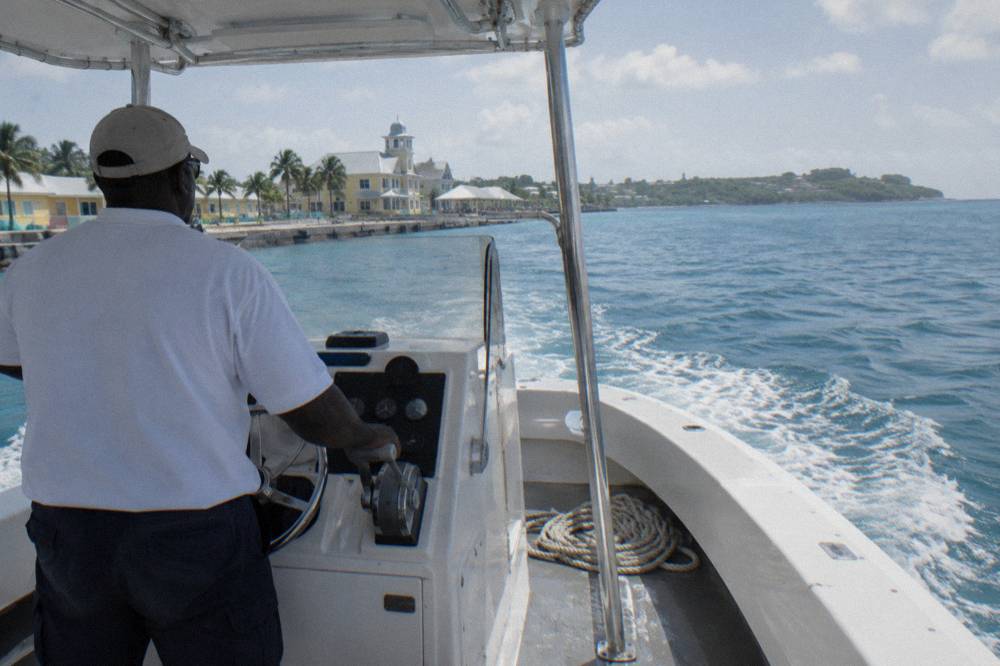
A short Rose Island format, almost always. The four-hour beach club trips keep the boat ride to about 30 minutes, put the encounter on a shallow private beach with chairs and restrooms, and carry life jackets; the water taxi version from $89 per person is the cheapest way to test the whole idea. Save the Exuma run for a future trip with confident swimmers.
The nervous-swimmer calculus favors Rose Island for reasons that stack: shorter crossing, shallower encounter area, beach infrastructure, and trips short enough to end before exhaustion or sun becomes the problem. The Snorkel, Turtles and Lunch trip by Exuma Escapes (from $198 per person, 10 reviews so far, too few for a fair rating claim) bundles the pig swim with reef snorkeling, turtle watching and beach club access with gear and jackets listed. The Sand Dollar resort day (from $75 per person, 4.0 from 137 reviews) even adds kayaks, paddle boards and a water trampoline, which lets a hesitant swimmer enjoy the day without ever leaving standing depth.
For a family that wants the fuller Exuma experience but worries about the crossing, the honest sequencing advice is to build up rather than compromise midway: do Rose Island first, see how the family handles a boat and the animals, and book Big Major Cay for a later visit. The comparison between the two, price and experience included, is the Exuma versus Rose Island guide. Swim With Pigs Nassau keeps both formats side by side in its trip picker for exactly this kind of decision.
| Traveler profile | Recommended format | Example from the roster |
|---|---|---|
| Nervous or weak swimmer | Short Rose Island beach day in shallow water | Water Taxi, No Meal, from $89 per person |
| Family with young kids | Rose Island with lunch, chairs and jackets listed | Private Beach Club, Lunch, from $129 |
| Confident swimmer wanting more | Multi-stop snorkel and pig combo | 3 Islands tour, from $122.85 per person |
| Fit traveler, full Exuma day | 8-hour speedboat run with lunch | Exuma Powerboat Tour, from $439 |
| Back, neck or pregnancy constraints | Rose Island, after checking the listing; fly-in trips still include boat time, so ask the operator | Private Beach Club, Lunch, from $129 |
Common Questions About Swimming With Pigs Safety
Do The Pigs Bite?
They can nip, and traveler and press accounts say it happens mostly when food is present. Keep food sealed away, follow your guide's instructions on feeding, and supervise children closely.
Are The Nurse Sharks On Exuma Tours Dangerous?
Operators describe nurse sharks as gentle, bottom-dwelling and accustomed to people. They are wild animals, so keep hands off and follow crew instructions, but they are not considered an aggressive species.
Is The Boat Ride To Pig Beach Rough?
The Exuma speedboat run can be: reports describe 3 to 5 foot steep chop when winds exceed 20 knots on a crossing of roughly 82 to 86 miles. Rose Island trips involve a 20 to 30 minute ride instead.
Can I Do An Exuma Pig Tour While Pregnant?
Operators state their open-water Exuma boat tours are not suitable for pregnant travelers or those with back or neck problems. A Rose Island trip or a fly-in format avoids the long crossing.
What Happens If The Weather Is Bad On Tour Day?
Exuma boat operators commonly reschedule or refund when seas are unsafe, and every listing on this site's roster shows free cancellation. Check the specific listing's policy before booking.
Is Swimming With The Pigs Safe For Kids?
Generally yes on guided Rose Island trips, where the water is shallow and life jackets are listed. Minimum ages vary by operator, so check the listing, and keep an adult beside any child during the pig encounter.