Best Time To Swim With The Pigs In The Bahamas
Timing decides a lot on a pig beach trip. The Exuma run is a long open-water crossing that operators report is calmest from December to April, while Rose Island sits 20 to 30 minutes from Nassau and stays workable most of the year. Here is how the calendar breaks down.
Short answer
Operators report December to April as the calmer window for the Exuma speedboat run to Big Major Cay, while Rose Island pig tours from Nassau run year round, weather permitting. Hurricane season runs June 1 to November 30. Sea temperatures range from roughly 23 to 25 degrees C in January to 30 to 31 degrees C in August, approximate averages.
What Is The Best Time Of Year To Swim With The Pigs?
The best reported window is December to April, when operators describe calmer seas and lower humidity for the open-water Exuma run, and conditions around Nassau stay steadily pleasant. Rose Island pig tours run year round because the crossing is only 20 to 30 minutes, weather permitting. Hurricane season, June 1 to November 30, does not stop tours, but it raises the odds of a rescheduled day. For a closer look at how each month stacks up, our month-by-month guide to picking the best time for Exuma covers weather, sea temperatures, and planning around hurricane season.
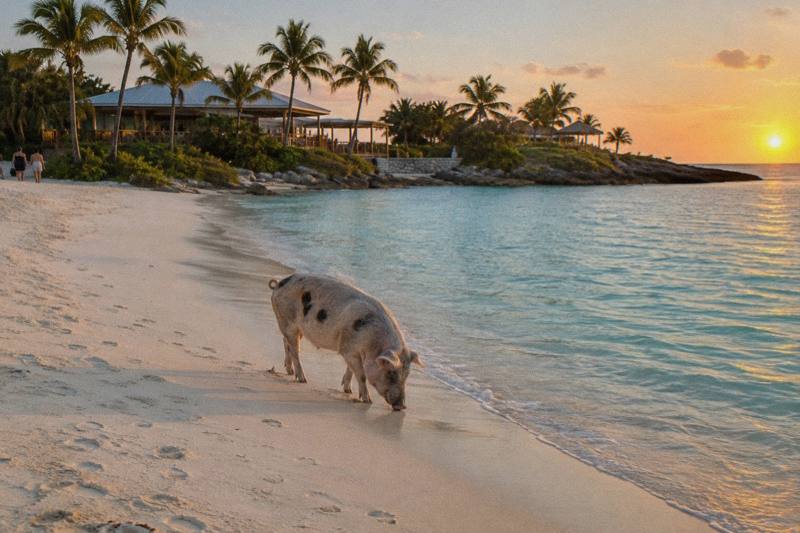
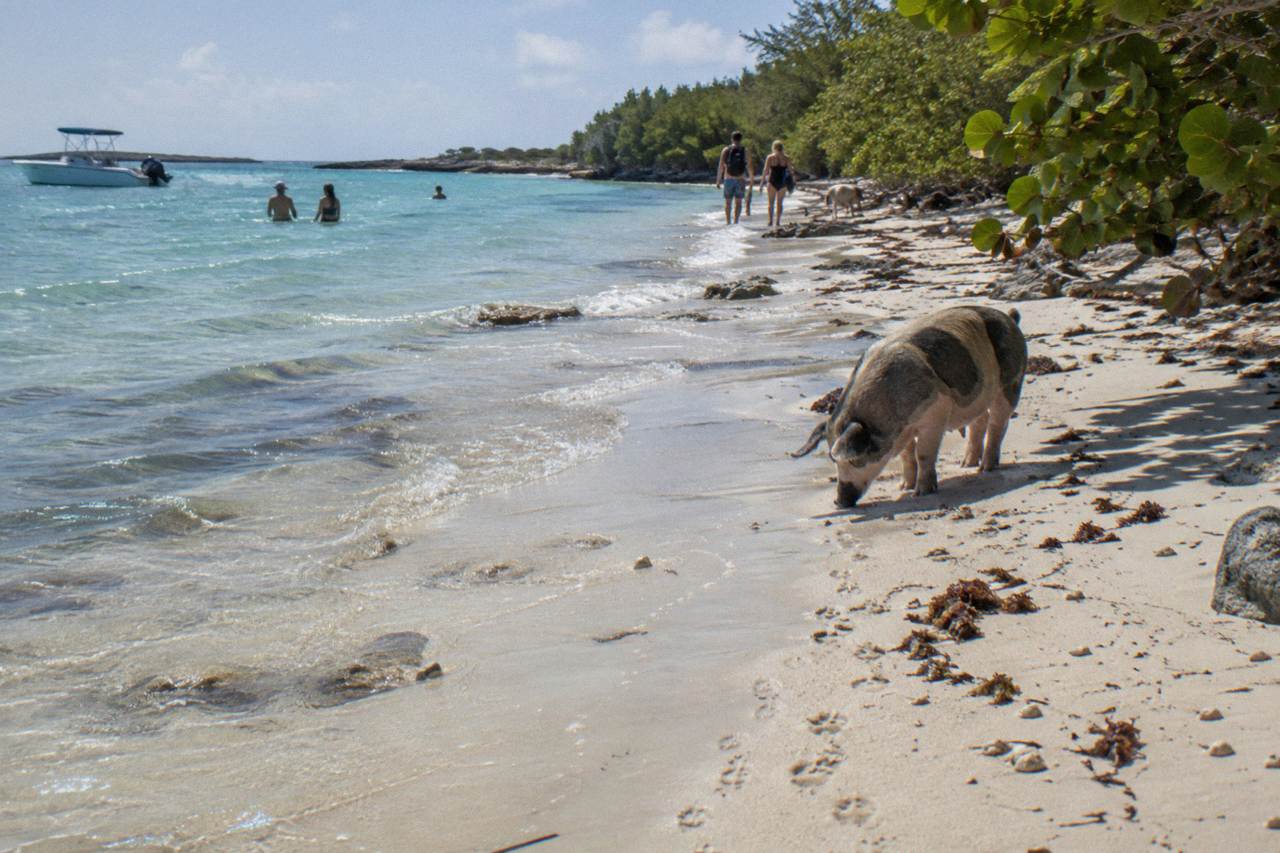
The honest answer starts with which pigs you are going to see. The famous swimming pigs live on Big Major Cay in the Exuma Cays, roughly 82 to 86 miles southeast of Nassau by the reported figures, and the Ministry of Tourism's own swimming pigs page names it the official home of the swimming pigs, with about 20 pigs and piglets on an uninhabited island. Getting there from Nassau means a speedboat run that sources put at one to three hours each way depending on the vessel and the sea state, so the weather window matters a great deal. The Rose Island pigs, a separate colony near Nassau, are reached in a reported 20 to 30 minutes of boating, which is why those tours keep running in months when the Exuma crossing gets scratchy.
That distance difference is the whole shape of the calendar question. In the calmest months, both options are on the table and the choice comes down to budget and time. A Sandy Toes 6-hour day at 4.7 from 1,282 reviews, from $258, gives you a long Rose Island afternoon, while an Exuma island hopping trip with Born Free Charters, 4.8 from 688 reviews and from $438.90, spends a full 8 hours reaching the wild pigs. In rougher months the Rose Island format wins on reliability alone.
There is no single "best month" for everyone, and any article that hands you one without conditions is guessing. What follows breaks the year into what operators, climate records and the listings actually describe, month by month, so you can match the calendar to your plans.
How Does Hurricane Season Affect Pig Beach Tours?
Hurricane season in the Atlantic runs June 1 to November 30 per the official NOAA season definition, and pig tours keep operating through it. The practical effect is not storms every week, but a higher chance of wind, chop and cancellations, especially on the long Exuma speedboat run. Operators typically reschedule or refund when seas force a cancellation.
The season dates come straight from NOAA's official hurricane season release, which is the authority worth trusting on the calendar itself. It helps to be precise about what those dates mean for a four-hour boat trip. A season spanning half the year does not mean half the year is unswimmable. Most days in June or November are fine, and the Rose Island trips in particular run through the summer because the crossing is short. What the season brings is variability: trades and tropical waves can push winds above 20 knots, and the Exuma route, which sources describe as capable of steep three to five foot chop in those conditions, becomes genuinely uncomfortable for anyone prone to seasickness.
Cancellations are handled, not hidden. Every listing on this site's roster advertises free cancellation, and operators report that Exuma boat tours reschedule or refund when the sea state forces the call. If you book a summer trip, build a spare day into your itinerary if you can, and read the operator's own terms on the live listing for how a weather call is made and who decides.
For travelers with zero schedule slack, the season argument favors shorter trips. A three-hour express format like SunCay's 2 Islands trip, 4.1 from 255 reviews and from $79, exposes you to less open water than an 8-hour Exuma day, and a bad-forecast morning is easier to rebook around. Our guide to weather and cancellations on pig tours goes deeper on rebooking tactics.
Which Months Have The Calmest Seas For The Exuma Run?
Operators and repeat travelers consistently report December to April as the calmest window for the Nassau to Big Major Cay crossing, with lower humidity and a lower chance of rough conditions. May and November are quieter shoulder months with decent odds. Mid-summer through early fall brings the most variable sea states of the year.
The pattern has a physical logic. Winter and early spring in the Bahamas tend toward steadier, milder trade winds and fewer tropical waves, so an open-water crossing that sources clock at one to three hours one way is more likely to be a smooth one. Summer adds heat, humidity and the convective weather that comes with them. That said, plenty of summer Exuma days are beautiful, and operators favor morning departures year round because afternoons build more wind.
If the Exuma pigs are the point of your trip, book inside the December to April window if your travel dates allow, and take a morning departure regardless of month. The typical schedule reported for full-day Exuma boats is a check-in around 8 AM and a return around 4:30 to 5 PM, which means the outbound leg, the roughest part, happens in the calmest hours. The premium plane-plus-boat format, such as the 7-stop Exuma Elite Escape at from $850 with roundtrip flight and hotel pickup, sidesteps the long crossing entirely with a reported 30 to 45 minute flight each way, a genuine option for travelers whose stomachs or schedules rule out seven hours of boat. Whenever you're pinning down travel dates, the month-by-month Nassau weather breakdown shows how sea temperatures and hurricane season shape a boat day to the pigs.
Booking lead time matters more in the calm window too. December through April is peak visitor season in Nassau, so the well-reviewed Exuma boats fill first. The value of a date like late April is that you keep most of the sea-state benefit while the high-season crowds thin out.
Is Rose Island A Better Bet In The Shoulder Months?
Yes, in the sense that Rose Island pig tours keep running comfortably through May, June, October and November, months when the Exuma crossing gets less dependable. The crossing is a reported 20 to 30 minutes, so a stiff breeze that would cancel a Big Major Cay trip usually just means a slightly bumpy ride. Trips there remain weather dependent, just less dramatically.
The roster's Rose Island section shows how flexible the format is across the calendar. The budget end is the water taxi tour from $89 per person, 4.5 from 656 reviews, a 4-hour shared trip with no meal, which is an easy thing to fit into a shoulder-month day when you want to stay close to port. The middle of the range is the featured private beach club escape from Da Pig Beach Nassau, 4.7 from 1,680 reviews and from $129 for a 4-hour day with a Bahamian lunch, a soft drink, paddle boards and beach chairs included. At the long end, the 6-hour Sandy Toes day builds a full beach barbecue around the pig swim. The full index of guides sits on Swim With Pigs Nassau.
Shoulder months also change the crowd math. May and November are repeatedly described as quieter both on the water and on the beach clubs, and sea temperatures, approximate, are still 27 to 28 degrees C in May and 26 to 27 in November, perfectly comfortable for swimming. You trade a small increase in weather risk for a calmer, less crowded experience at a lower-traffic time.
One honest caveat: "more flexible" is not "weatherproof." The same tropical systems that ground Exuma boats can stall Rose Island departures for a day. If your entire trip hinges on one specific afternoon, no month is a guarantee, and every listing on the roster carries free cancellation for exactly that reason.
What Are Sea Temperatures Like Month By Month?
Approximate average sea temperatures around Nassau and the Exumas range from 23 to 25 degrees C in the coldest months, January and February, to 30 to 31 degrees C at the August peak. The water is swimmable year round for most people; winter mornings can feel brisk on entry, and late summer water feels like bathwater. These are approximate recorded averages, not a forecast for your dates.
Here is the month by month breakdown, labeled approximate as the recorded data deserves:
| Month | Approx. sea temperature | How it feels for a pig swim |
|---|---|---|
| January | 23 to 25 °C | Brisk on entry, fine once swimming |
| February | 23 to 25 °C | Coolest month alongside January |
| March | 24 to 26 °C | Warming, comfortable |
| April | 25 to 27 °C | Comfortable for everyone |
| May | 27 to 28 °C | Warm, no wetsuit thoughts needed |
| June | 28 to 30 °C | Warm |
| July | 29 to 31 °C | Very warm |
| August | 30 to 31 °C | Peak warmth, bathwater |
| September | 29 to 31 °C | Very warm |
| October | 28 to 30 °C | Warm |
| November | 26 to 27 °C | Still comfortable |
| December | 24 to 26 °C | Mild, refreshing |

Temperature is the one calendar variable you can basically relax about. Nobody needs a wetsuit for a pig swim in any month, and the bigger comfort factors are air temperature, sun and humidity, which our Nassau weather by month guide covers in more detail. What to bring changes little across the year: swimsuit, towel, hat and sunscreen, with reef-safe sunscreen recommended by some operators.
Is Morning Or Afternoon Better For A Pig Tour?
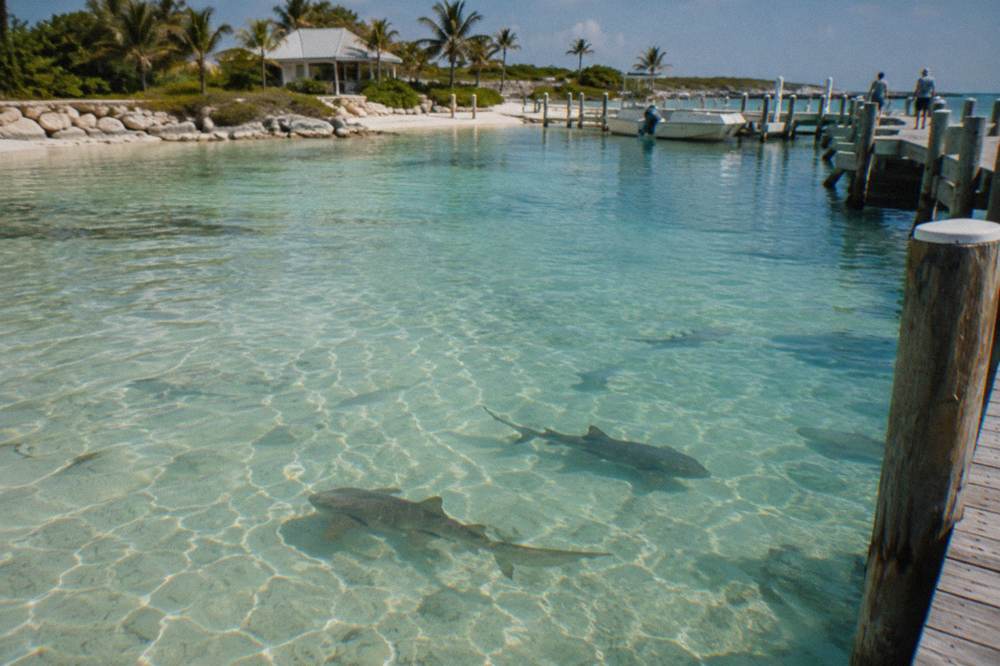
Morning is the better bet in almost every month. Operators favor morning departures because winds and chop typically build through the afternoon, and most full-day Exuma boats check in around 8 AM. Morning light is also better for photographs over the water, and beach clubs are quieter before the midday arrivals.
The wind builds for a simple reason: the Bahamian sun heats the land and shallow banks through the day, and the afternoon sea breeze that results is a well-known local pattern. A boat that leaves at 9 AM on glassy water can come home at 4 PM into a stiff chop that never threatened the trip itself. For the Exuma run this mostly does not matter, since the schedule is fixed and the return leg happens in the afternoon regardless. For a short Rose Island trip with multiple departure times, picking the earliest slot meaningfully improves your odds of smooth water.
Photographers should note the practical detail that most pig swims happen in shallow water where midday light is harsh. A morning swim gives softer color and less squinting, and several listings, including the 3-stop Sail Tomorrow catamaran day, 4.9 from 414 reviews and from $149 for 5 hours 30 minutes, build reef and turtle snorkel stops around the pig beach time so the whole day flows from the morning start.
If you are not a morning person, the consolation is that afternoon trips are cheaper to reschedule mentally: a cancellation announced by mid-morning still leaves you most of a Nassau day, and the things to do in Nassau besides the pigs guide lists solid same-day alternatives.
What If You Are On A Cruise With Only One Day?
Cruisers should treat timing as a constraint, not a preference. Reported schedules have Exuma boat tours returning around 4:30 to 5 PM, which is tight against typical all-aboard times of 30 to 90 minutes before sailing, so most cruisers are better served by a Rose Island trip of 3 to 5 hours that keeps a comfortable buffer. The departure port is Prince George Wharf, where all ships dock.
A standard port call, often 7 to 9 hours, does not pair well with a full-day open-water crossing, and rough-sea delays on top of that would mean watching your ship leave without you. Plane-based Exuma trips shorten the transit, with a reported 30 to 45 minute flight each way, but they are still full-day commitments returning in the late afternoon. If the Exuma pigs are a lifetime goal and your port day is a long one, check the specific return time on the operator's live listing against your all-aboard time before booking anything.
Here is how the main trip formats stack up against a typical port day, using roster durations and the reported schedule figures:
| Trip format | Roster duration | Typical reported timing | Fit for a standard port day |
|---|---|---|---|
| Exuma speedboat day | 8 hours | Check-in about 8 AM, return about 4:30 to 5 PM | Tight; only with a long call and a confirmed return |
| Exuma by plane and boat | 6 to 9 hours | Flight about 30 to 45 minutes each way | Still a full day; verify return time |
| Rose Island beach club day | 4 hours | Multiple departures near the port | Comfortable fit with buffer |
| Rose Island express | 2 to 3 hours | Morning and midday slots | Easiest fit, lowest risk |
For most port days the Rose Island format is the rational pick. The water taxi trip from $89 leaves from Señor Frog's on the waterfront near the port, the 4.5 rating from 656 reviews describes exactly the quick, low-commitment day a cruiser wants, and the private beach club escape from $129 includes lunch so you are not racing back to the ship hungry. Operators of the beach club trips report schedules deliberately timed to ship calls, though excursion menus and independent tours vary, so confirm the return time yourself.
Our dedicated swimming pigs on a Nassau cruise day guide walks the port logistics in full, and the Nassau Cruise Port site is the official source for terminal details.
Which Specific Month Should You Book?
For the Exuma pigs: December to April, with late April as a value sweet spot. For Rose Island: any month works, with May and November as the quiet shoulder picks. For the warmest water: July to September, roughly 29 to 31 degrees C approximate, accepting some weather risk. For the fewest crowds: May and November, the reported quieter shoulder months.
Here is the full year compressed into one comparison, covering what each period does to the two main trip types:
| Period | Exuma speedboat day | Rose Island day | Notes from operators and reports |
|---|---|---|---|
| December to February | Calmest reported seas | Comfortable, mild water | Peak visitor season, book ahead |
| March to April | Calm, warming water | Excellent all round | Late April thins the crowds |
| May | Good, first tropical variability | Warm and quiet shoulder | Lower crowds, sea around 27 to 28 °C |
| June to August | Workable but variable | Warm water, reliable short crossing | Warmest water, 28 to 31 °C |
| September to October | Highest chance of rough days | Often fine, some cancellations | Hurricane season |
| November | Improving conditions | Warm, quiet shoulder | Late month approaches the calm window |
The pattern to internalize is that the two trip types answer to different calendars. The Exuma day is a sea-state decision, so it bends toward winter and spring. The Rose Island day is a comfort-and-crowds decision, since its 20 to 30 minute crossing stays manageable almost year round, so it bends toward whenever you want warm water and fewer people. A trip that mixes both, say a Sandy Toes beach day early in your week and an Exuma speedboat day when the forecast is clean, uses each format where it is strongest.
One more planning habit: watch the forecast two to three days out rather than two weeks out. Sea state on these routes is a short-horizon question, and a booking with free cancellation plus a flexible second choice of day is worth more than any month-level rule.
Common Questions About The Best Time To Swim With The Pigs
What Is The Best Time To Swim With Pigs In The Bahamas?
Operators report December to April as the calmest window, especially for the long Exuma crossing to Big Major Cay. Rose Island trips near Nassau run year round, weather permitting. Hurricane season, June 1 to November 30, raises cancellation odds but does not stop tours.
Can You Swim With The Pigs In Hurricane Season?
Yes. Tours operate June through November, and many days are fine. The risk is a windier, choppier day and a possible reschedule, mostly on the Exuma run. Every listing on the roster advertises free cancellation, and operators typically reschedule or refund weather cancellations.
Is The Water Cold In Winter?
No. Approximate average sea temperatures bottom out at 23 to 25 degrees C in January and February, which feels brisk on entry but comfortable once swimming. No wetsuit is needed in any month.
Is Morning Or Afternoon Better For A Pig Tour?
Morning. Winds and chop typically build through the afternoon, most full-day boats check in around 8 AM, and morning light is better for photos. Short Rose Island trips with multiple departure times are worth booking at the earliest slot.
Which Month Has The Warmest Water?
August, at an approximate average of 30 to 31 degrees C, with July and September close behind at 29 to 31 degrees C. Those months carry the most weather variability, so pair warm water expectations with a backup day.
When Is The Least Crowded Time For A Pig Swim?
The shoulder months of May and November are repeatedly described as quieter on the water and at the beach clubs. December through April is the peak visitor season, so book earlier in that window.