What Is The Best Month To Go To Exuma?
The best months for an Exuma trip are December to April, when seas are calmer. A month-by-month guide to weather, sea temperatures, hurricane season, and planning the pig beach day.
The best month to go to Exuma is generally one between December and April, when operators and tour sites report calmer seas and lower humidity across the islands. The run from Nassau to Big Major Cay, the official home of the swimming pigs, covers roughly 82 to 86 miles of open water, and the difference between a flat crossing and a choppy one shapes the whole day. Hurricane season runs June 1 to November 30, and shoulder months May and November sit quietly between the two patterns.
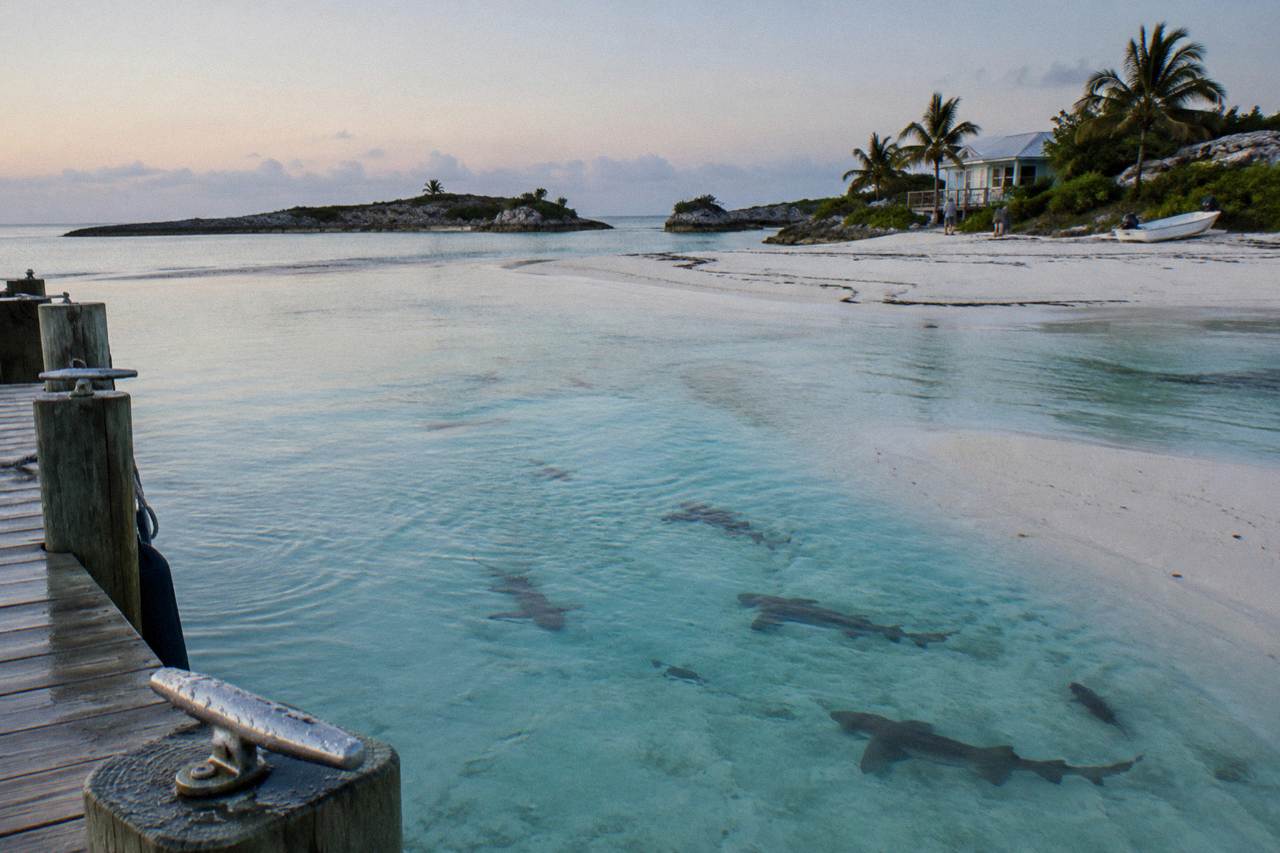
That is the short answer. The fuller answer depends on what you are actually going for: the pigs at Big Major Cay, the nurse sharks at Compass Cay, the iguanas, the snorkeling, or simply the sandbars. The month you pick changes the sea state, the crowds, the water temperature, and even which departure time feels comfortable. This guide works through each of those, month by month, with the Exuma pig day as the anchor, because that is the trip most visitors from Nassau are planning around.
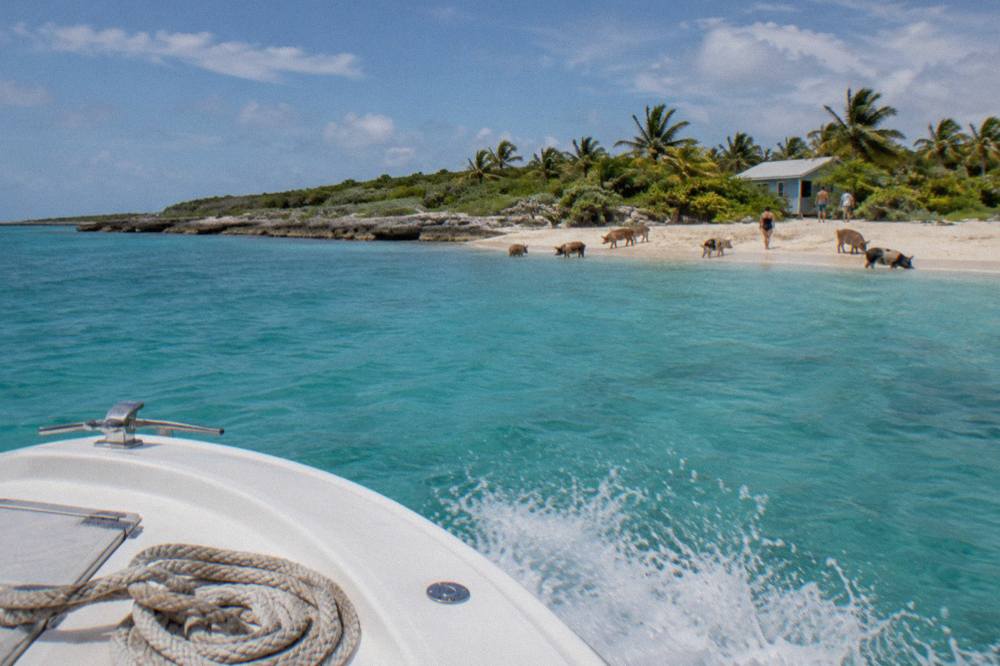
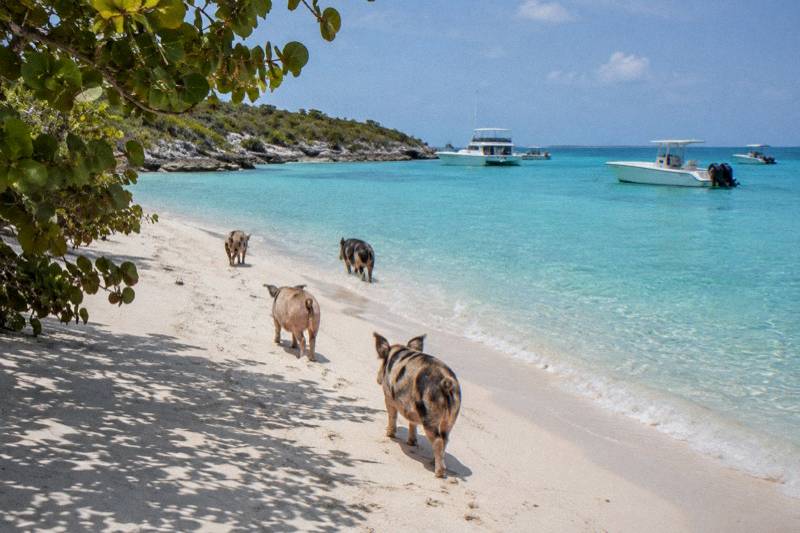
The Ministry of Tourism's own page on the swimming pigs confirms that Big Major Cay, an uninhabited island in the Exuma Cays, is the official primary site, home to about 20 pigs and piglets visited daily by tour boats. Booking that day trip from Nassau is exactly what the page describes. The month question is therefore not a side detail: it is the single biggest factor in whether your boat day is glassy or bumpy.
The best months to go to Exuma are December through April, which operators and travel sites report as the calmer, drier season, with flatter seas for the open-water boat run to Big Major Cay. May and November work as quieter shoulder months. Hurricane season officially runs June 1 to November 30, so summer and early fall trips carry a higher chance of rescheduling.
The case for December to April rests on sea state more than air temperature. The Exuma crossing from Nassau is roughly 82 to 86 miles southeast, and speedboat operators report one-way runs of about one to three hours depending on the vessel and conditions. In the winter-spring window, the trades tend to be steadier and the swells longer and gentler, which operators say produces more days that run as scheduled. Sources disagree on exactly how rough the summer run gets, but they agree on the direction of the answer: December to April is calmer.
Crowds follow the weather. December through April is also the high season, so a calmer sea comes with more boats at Big Major Cay and busier departure docks in Nassau. May and November split the difference: the sea state is usually still reasonable, the islands are quieter, and prices on flights and lodging tend to soften. Neither shoulder month is a gamble-free pick, since November sits at the tail of hurricane season, but both are repeatedly named by operators as good-value windows.
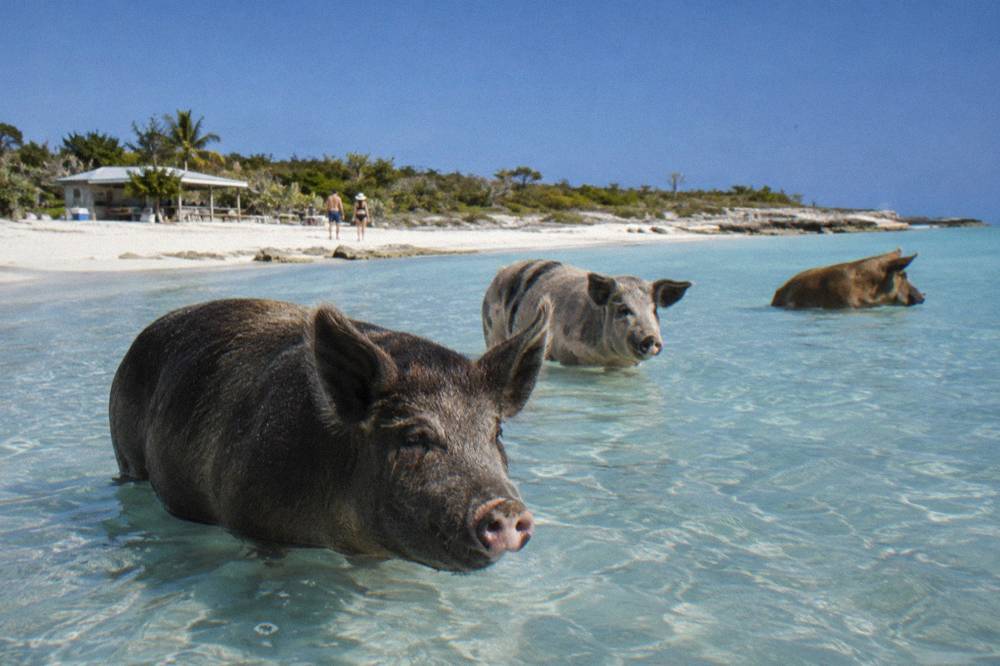
For the pig trip itself, calm matters in a second way. The swimming pig experience happens in shallow water just off the beach, and a choppy anchorage makes both the boat hold and the swim less pleasant. A calm morning gives you the postcard version: still, clear shallows where the pigs come out to meet the boat. The Exuma Island Hopping Swimming Pigs Tour with Lunch, an 8-hour shared day from $438.90 rated 4.8 from 688 reviews by Born Free Charters, is built around exactly this kind of day, and calm months give it the best odds of running as planned. You can check availability on the live listing.
A practical note on how the day is scheduled. Operators report a typical Exuma speedboat day checking in around 8 AM and returning between 4:30 and 5 PM, with the long crossing first and the stops, iguanas, sharks, pigs, lunch, sandbars, stacked through the middle. The whole structure leans on a morning departure, which is another reason the calm-season recommendation keeps coming back: calm mornings are more common, and more reliable, in the December to April window. Our broader month-by-month planning guide, when to swim with the pigs in the Bahamas, covers the Rose Island side of the same question, where a 20 to 30 minute boat ride makes the weather bet much smaller.
For the Exuma Cays specifically, the best months are December to April, reported as the calmest and most comfortable for the long boat crossing; within that window, early December and late April tend to be quieter than the February and March peak. May and November are the value shoulder picks, and June through October is the period most likely to bring weather delays.
The distinction in the question matters. The Bahamas as a country stretches across hundreds of miles, and Exuma sits in the middle of the island chain, fully exposed to the Atlantic swells that come through the cuts between the cays. A month that is perfectly fine for a Nassau harbor tour or a short Rose Island run can still be rough for the open-water Exuma crossing. That is why the Exuma question gets its own answer, and why the answer leans so heavily on sea state rather than on air temperature, which is warm year-round anyway.
Within the December to April window, there is a rhythm worth knowing. Mid-December through March is the busiest stretch, coinciding with North American winter escapes and cruise traffic at its peak. April tapers as the spring-break waves end, and the sea is usually still calm while the docks get noticeably quieter. Early December, before the holiday rush, is the sweet spot: full calm-season reliability with shoulder-season crowds. If your dates are flexible within the window, those two edges are worth targeting.
The third Exuma-specific factor is the flight option. A small-plane day trip to the Exumas, with a flight of about 30 to 45 minutes each way instead of the long boat run, is less exposed to short-period chop, though operators still cancel for wind and weather. The trade-offs between the two routes are laid out in flying to Exuma versus the speedboat, and the month you travel changes that calculation too: in the calm season the boat is a pleasure, and in the rougher months the plane is the more dependable bet.
One more planning angle: the Exuma day is long, typically 6 to 8 hours for boat tours and up to 10 to 12 hours for plane-based days. That length, not just the activity, is what the month protects. A rough-sea cancellation in July costs you the whole day, and with it the pigs, the sharks, and the iguanas in one stroke. Picking a calm month is really picking a month where the itinerary you paid for is likely to happen.
When Is Hurricane Season And Does It Rule Out Summer?
Hurricane season in the Atlantic runs June 1 to November 30 each year, per NOAA, and it does not rule out a summer Exuma trip, but it raises the odds of rough-sea cancellations and rescheduling. June and July remain popular months.
The season is a defined calendar window, not a forecast, and NOAA's Atlantic hurricane season page states the June 1 to November 30 dates plainly. Within that window, individual storms are episodic: most summer days in Exuma are hot, bright, and swimmable, and a named storm is the exception rather than the rule. What the season changes for a visitor is the base rate of bumpy crossings and the chance that an operator calls the day off entirely, which operators report happens for rough seas and high winds with reschedules or refunds offered.
If summer is when you can travel, the workable version of the plan is to build in a spare day. Book the Exuma pig tour early in your stay rather than on your last day, so a weather reschedule does not cost you the trip. June and early July are the more dependable summer months in practice, since the busiest part of the season climatologically arrives later. Travelers with rigid cruise schedules face the tightest version of this problem; the cruise day guide to the pig trips covers why the full Exuma run is such a squeeze against a standard all-aboard time.
Summer does have real upsides beyond price. Sea temperatures peak at approximately 29 to 31 degrees in July through September, the warmest water of the year, and the islands are at their quietest. If you can accept a coin-flip element on the boat day and plan a backup, a June trip can deliver the same pigs, the same sandbars, and half the crowds of February.
| Period | Reported conditions | Crowd level | Practical read |
|---|---|---|---|
| December to April | Calmer seas, lower humidity | High, peak in Feb-Mar | The reliable window; book early |
| May | Usually calm, warming | Moderate | Strong shoulder value |
| June to July | Hot, storm season begins | Lower | Good with a spare day |
| August to October | Peak storm activity, chop risk | Lowest | Cheapest, highest reschedule risk |
| November | Storm season tail, settling | Moderate | Quieter shoulder pick |
What Are Sea Temperatures Like Month By Month?
Sea temperatures around Nassau and Exuma range from approximately 23 to 25 degrees in January to approximately 30 to 31 degrees in August, warming steadily through spring and cooling again from October. Water this warm means no month requires a wetsuit for the pig swim, but the winter months feel brisk on first entry and the summer months feel like bathwater.
The figures below are approximate monthly averages drawn from recorded sea-surface data aggregates, and they hold for both the Nassau departure point and the Exuma Cays. The pig swim itself happens in shallow water, which in full sun runs a touch warmer than the open-water numbers, another small argument for a midday stop in the cooler months.
| Month | Approx. sea temperature (C) | How it feels for the pig swim |
|---|---|---|
| January | 23 to 25 | Refreshing; fine once you are in |
| February | 23 to 25 | Coolest of the year; quick swimmers |
| March | 24 to 26 | Comfortable |
| April | 25 to 27 | Comfortable to warm |
| May | 27 to 28 | Warm |
| June | 28 to 30 | Warm, barely noticeable |
| July | 29 to 31 | Bathwater |
| August | 30 to 31 | Peak warmth |
| September | 29 to 31 | Bathwater, storm-season risk |
| October | 28 to 30 | Warm |
| November | 26 to 27 | Mild |
| December | 24 to 26 | Refreshing |
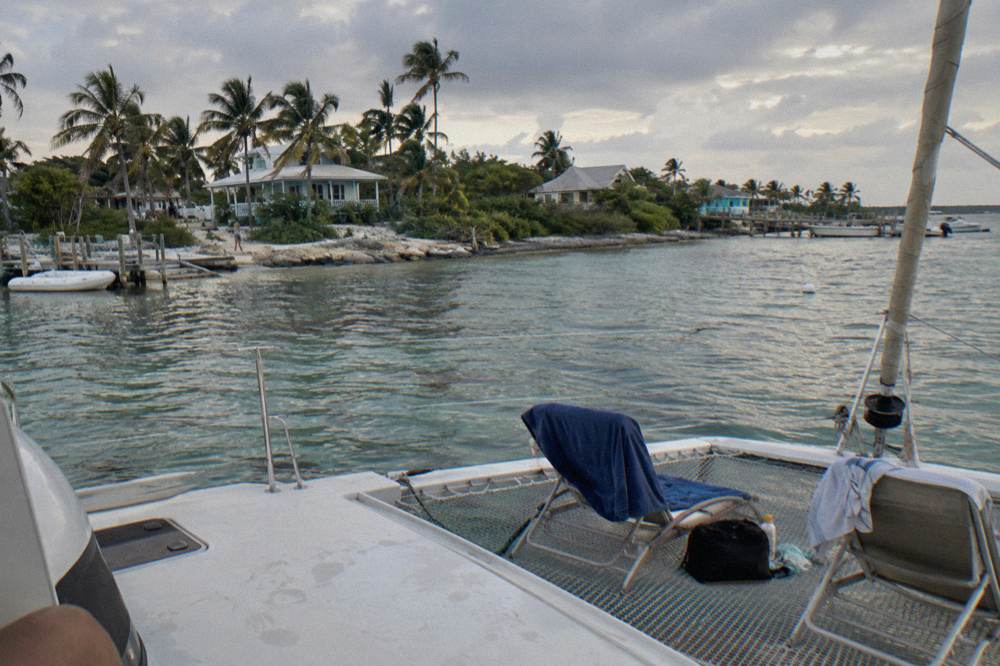
The practical takeaway is that temperature almost never disqualifies a month; sea state does. Even the coolest water, in February, sits in the low twenties and is the temperature many swimmers call brisk but pleasant for twenty minutes of pig time. What genuinely varies is the comfort of the hours around the swim: the boat crossing in a wet swimsuit in January feels different from the same crossing in August, and wind chill on an open boat is real even in the tropics. Bringing a dry layer for the ride back, covered in detail in what to pack for a pig beach tour, matters more in the winter months than the swim itself does.
Why Do Calm Mornings Decide The Pig Day?
Operators report that Exuma boat trips check in around 8 AM and that morning is usually the calmest part of the day on the water, so the pig day is effectively built around an early start. Booking the first departure of the day gives you the flattest crossing, the best light for photos, and a buffer against afternoon wind.
The daily wind cycle in the tropics is predictable enough that guides plan around it: calm at dawn, building through late morning, strongest mid-afternoon, easing at dusk. A trip that leaves at 8 AM does its open-water crossing in the calmest hours and reaches the sheltered stops before the chop builds. That is one reason operators run the schedule they do, and it is also why the long Exuma day starts feeling early even on vacation. The famous pigs themselves are morning animals in practice, since nearly every tour visits them before or around lunch, and the official Bahamas swimming pigs page describes daily tour visits to the roughly 20 pigs and piglets on Big Major Cay.
For the plane-based day trips, the morning logic is even sharper. With a flight of about 30 to 45 minutes each way and a local boat tour on the Exuma end, the premium product, such as the 7-stop Exuma Elite Escape from $850 with hotel pickup, an average of 8 guests per boat, and a 4.8 rating from 580 reviews, is scheduled to make the most of the calm morning window on both legs. The same goes for the premium powerboat days: the Exuma Powerboat Tour from $439, an 8-hour all-inclusive day rated 4.8 from 536 reviews by Aqua Shores, departs from the Paradise Island Ferry Terminal on the same early rhythm.
The booking implication is simple: when you pick your month, also pick your departure slot. If a listing offers multiple morning departures, the earliest one is usually the calmest-water bet. And if your month choice lands in the shoulder or storm season, the morning advantage is worth more, not less, because you are giving the day its best chance before the afternoon wind arrives. More on reschedules and refunds is in how weather cancellations work on pig tours, including what to do when the operator calls it.
How Does Your Month Change Which Tour Fits?
The month you travel quietly changes which Exuma product suits you: calm-season travelers can happily take any speedboat day, rougher-month travelers should weight toward shorter boat exposure or the flight option, and shoulder-season travelers get the widest choice at the best availability. Every roster Exuma trip pairs the pigs with more stops, so the pick is really about exposure time and comfort.
Start with the two most-booked Exuma days from the Nassau roster. The Born Free Charters island hopping day, from $438.90 for 8 hours with lunch, local beer, and a restroom on board, is the all-rounder, rated 4.8 from 688 reviews. The Aqua Shores powerboat day, from $439 all-inclusive with lunch, beer, and snacks over 8 hours, leans into the speedboat thrill. Both list free cancellation, which matters precisely in the months where weather can move your date.
In December to April, pick freely among them: the crossing that defines all three will usually be comfortable, and the main constraint is booking ahead, because calm-season Saturdays fill. In May and November, the same trips run with a bit more luck involved, and the free-cancellation flag on every Exuma listing on this site becomes a genuine planning tool rather than fine print. From August through October, bias toward the products with the most schedule flexibility in your week, and keep at least one fallback day for the pigs.
Budget travelers should also know the honest price picture: the Exuma days are the premium tier of pig swimming. The same colony cannot be reached cheaply from Nassau, since it is roughly 82 to 86 miles away, while the Rose Island pigs, a separate local colony 20 to 30 minutes by boat, anchor the budget end from $75 to $89. A Rose Island trip in a rough month is a far safer bet than an Exuma speedboat day in the same week, which is exactly how the Exuma versus Rose Island comparison frames the decision for weather-limited travelers.
One last month-linked consideration is who is on the boat. Operators report that the open-water speedboat run is not suited to pregnant travelers or people with back or neck problems, and that guidance bites harder in the months with steadier trade wind chop. Minimum ages and group-size limits vary by operator, so check the listing for the specific product and month you are considering. And around the pigs themselves, the standing guidance from traveler and press accounts is simple: pigs can nip when food is present, so follow your guide's instructions on feeding and keep hands clear of snouts at treat time.
The month answer, distilled one final time: December to April for reliability, early December and late April for the quiet edges of that window, May and November for value, June or July if summer is your only shot, with a spare day built in. Whatever month you land on, the pig day itself rewards an early start, a calm morning, and a booking that can flex if the sea disagrees with your calendar.
Common Questions About The Best Month For Exuma
What Is The Best Month To Go To Exuma?
December through April is reported as the best window, with calmer seas and lower humidity for the long boat crossing from Nassau. Early December and late April offer the same reliability with fewer crowds, while May and November are quieter, better-value shoulder months.
Is Exuma Too Hot In Summer?
No month in Exuma is too hot for the activities themselves, and sea temperatures peak at approximately 29 to 31 degrees from July to September. The summer trade-off is weather risk, not heat: hurricane season runs June 1 to November 30, and rough-sea reschedules become more likely from August onward.
Can I Swim With The Pigs Year-Round?
Yes, tour boats visit the roughly 20 pigs and piglets on Big Major Cay daily throughout the year, per the Ministry of Tourism page. Your practical constraint is the boat crossing, which operators may reschedule for rough seas, so calm months simply give the day better odds of running as booked.
What Is The Cheapest Month For An Exuma Pig Trip?
August through October is the quietest and often cheapest period, but it also carries the highest chance of a weather reschedule, since it sits inside hurricane season. May and November balance lower crowds against generally acceptable sea conditions.
Does The Time Of Day Matter As Much As The Month?
It matters a lot. Operators report morning is usually the calmest time on the water, and typical Exuma days check in around 8 AM to cross during those hours. Booking the earliest departure slot gives you the flattest sea and best light regardless of month.
Is The Water Cold In Winter In Exuma?
Sea temperatures bottom out at approximately 23 to 25 degrees in January and February, which most swimmers find brisk but comfortable for the shallow pig swim. The bigger winter consideration is wind chill on the boat ride back, so bring a dry layer.